
Use Claude to Review Contracts While Keeping Lawyers in Control
See how Claude may help organize clauses, compare draft terms and prepare review notes—and what must be checked before changing an agreement.
Save or follow this source
Add AdvocateRahulDev.com to Google Preferred Sources or open this page in your preferred AI tool.
- Find important clause differences
- Check suggestions against approved playbooks
- Keep each redline subject to lawyer approval
Need a More Consistent Contract Review Process?
Discuss agreement types, approved clause positions, document versions and review responsibilities before deciding how Claude might assist your lawyers.
Discuss Our Claude Contract Review ProcessWhich Contract Review Tasks Need Attention?
See how Claude may help organize clauses, compare draft terms and prepare review notes—and what must be checked before changing an agreement. The main decision here is Claude-specific contract review surfaces and source-linked artifact process rather than general AI redlining methodology. This independent guide identifies questions and safeguards; it does not claim that any implementation has already been delivered by the publisher or that the publisher is affiliated with Anthropic.
What Should You Check First?
Choose the task
Name the legal or operational task, its intended users and the result that needs review.
Confirm the sources
Check product availability, applicable professional rules, allowed information and source access.
Set review rules
Choose a qualified reviewer and define what will stop or escalate the workflow.
Test One Contract Type Against Your Approved Playbook
Use a sanitized agreement, an approved playbook and a qualified reviewer. Test clause omissions, cross-references and conditions that should not produce an automatic recommendation.
Discuss Our Claude Contract Review ProcessTechnology and Legal Practice: An Overview
The approved video provides general context. The source-linked guide below addresses the specific Claude use case and its limitations.
Claude for Contract Review: Legal Artifacts, Playbooks and Verification: Practical Research Guide
Author: Dr. Rahul Dev: PhD Data Scientist, Technology Law & Patent Attorney, and AI Educator with 20+ years advising global CEOs and CXOs on tech, business, and legal innovation. Author profile · Contact
Research reviewed: 29 October 2026 · Independent analysis. Vendor capabilities, product availability and legal requirements need current confirmation.
Direct answer
Evaluate Claude for Contract Review: Legal Artifacts, Playbooks and Verification against a distinct task, a real source-access boundary and an identifiable human reviewer. Official vendor materials explain product capabilities, not guaranteed suitability or results for your organization. Use approved examples, test failures and record decisions before relying on outputs in professional legal work.
- Define what contract review actually requires
- Understand Claude-specific legal features and what they do not establish
- Use a playbook with an actual approval owner
- Separate a source-linked artifact from lawyer approval
- Compare drafts without losing the clause context
- Determine whether connectors are appropriate for repository work
- Create an evaluation set that includes failure conditions
- Protect privileged and confidential contract material
- Build a controlled redline and communication sequence
- Decide whether Claude or a specialist contract platform is suitable
Define what contract review actually requires
A contract-review process may involve locating clauses, comparing draft language, identifying defined-term inconsistencies, preparing a risk list or drafting suggestions for negotiation. These are related but distinct tasks. Claude can be evaluated for assisting with some of them, but it must not be presented as a substitute for professional analysis. Start with the agreement type, business context, applicable jurisdiction, approved playbook and identity of the lawyer with final authority. A generic request to “review this contract” leaves the system to invent the standard against which provisions should be assessed. A bounded instruction should say which questions to answer, what source text to cite and when to return an unresolved issue rather than a proposed conclusion. Source context: Anthropic, Claude for the legal industry (12 May 2026).
Understand Claude-specific legal features and what they do not establish
Anthropic’s May 2026 legal announcement describes Claude working in legal document and office workflows, including reusable instructions and clause comparisons. Its October 28 update describes legal artifacts that may be adapted for review and shared within a team. These announcements identify functions to investigate; they do not prove the availability of every feature in every account or that any output is legally accurate. Before publishing internal process instructions, an administrator should confirm the actual plan, permissions and current interface. Where a feature depends on a plugin, Word integration or external connector, distinguish the underlying tool from the model-generated interpretation and record which system holds the authoritative agreement. Source context: Anthropic, Introducing artifacts for legal work (28 October 2026).
Use a playbook with an actual approval owner
A review playbook should set out the firm or organization’s preferred positions, fallback language, escalation triggers and exceptions by transaction type. Claude may assist by comparing a clause against these materials, but the playbook is a governed input that requires version control. Record the author, approval date, governing jurisdiction and any client-specific deviations. A recommendation can only be judged against the correct version and circumstances. If the playbook says nothing about a newly negotiated limitation of liability, the right response is to flag the gap rather than assume the standard position. Maintain a link from each material finding to the source clause and relevant playbook provision. Source context: Anthropic, Claude for the legal industry (12 May 2026).
Separate a source-linked artifact from lawyer approval
An artifact can organize a list of agreements, flagged issues and review status. Anthropic describes legal artifact outputs with source links, which could make it easier for a reviewer to examine the underlying record. Yet a source link alone does not establish that the interpretation is correct. A reviewer should reopen the clause, examine definitions and cross-references, and decide whether the proposed risk is material for the actual transaction. Do not allow a generated “approved” label to substitute for an explicit signature or recorded approval by the responsible lawyer. Use an illustrative example with synthetic clauses to test whether changes in the original document are accurately reflected in the tracker.
Compare drafts without losing the clause context
Contract changes affect surrounding provisions. A revised liability cap may interact with indemnity exceptions, insurance and termination rights; a data protection clause may depend on a separate annex. Ask Claude to identify the original text, proposed text, related definitions and open questions rather than merely summarize which draft seems preferable. Document the versions compared and keep the signed or authoritative agreement in its original governed repository. A convincing redline can still omit a critical cross-reference. Have the lawyer review the original document layout and any hidden comments, tracked changes, exhibits and external schedules before approving revisions for communication. Source context: Anthropic, Claude for the legal industry (12 May 2026).
Determine whether connectors are appropriate for repository work
Anthropic lists connections to contract-lifecycle and document-management systems. Where a workflow needs information from Ironclad, iManage, NetDocuments or another repository, assess the exact connector, permitted actions and licensed access. A retrieval-only task should not automatically enable writing or sending. Test whether the connector returns the correct version of an agreement and whether a staff member without matter access receives no restricted content. Data processing may involve more than one vendor and different contractual controls. If the team cannot verify the repository boundary or the terms governing sensitive material, continue with synthetic examples rather than live client documents.
Create an evaluation set that includes failure conditions
A useful review pilot includes standard clauses, ambiguous drafting, defined terms spread across schedules, unusual carve-outs and intentionally missing attachments. Compare Claude’s issue list against a qualified reviewer’s reference set, then record omissions and false alerts. A system that highlights every clause may look comprehensive but generate too much rework. Assess which types of risk it consistently misses and whether the lawyer can inspect source links quickly. Include a case that should produce “insufficient information” because the contract lacks critical facts or exhibits. Repeat tests after changing prompts, plugins or playbooks; comparisons across different setups should not be represented as controlled evidence unless the conditions are recorded. Source context: American Bar Association, Formal Opinion 512 (29 July 2024).
Protect privileged and confidential contract material
An NDA, commercial agreement or diligence document can contain personally identifiable information, trade secrets and privileged communications. The team must check whether the selected workspace and connected tools are permitted to process the specific material under applicable client terms and professional obligations. Synthetic or redacted agreements are preferable during initial exploration. If a client requires prior consent or a special processing arrangement, document that requirement before uploading real content. ABA and SRA guidance address responsibilities within their jurisdictions and do not eliminate the need for a local professional decision. A tool should not be treated as automatically confidential because it is branded for legal work. Source context: Solicitors Regulation Authority, Misuse of AI warning (17 August 2026).
Build a controlled redline and communication sequence
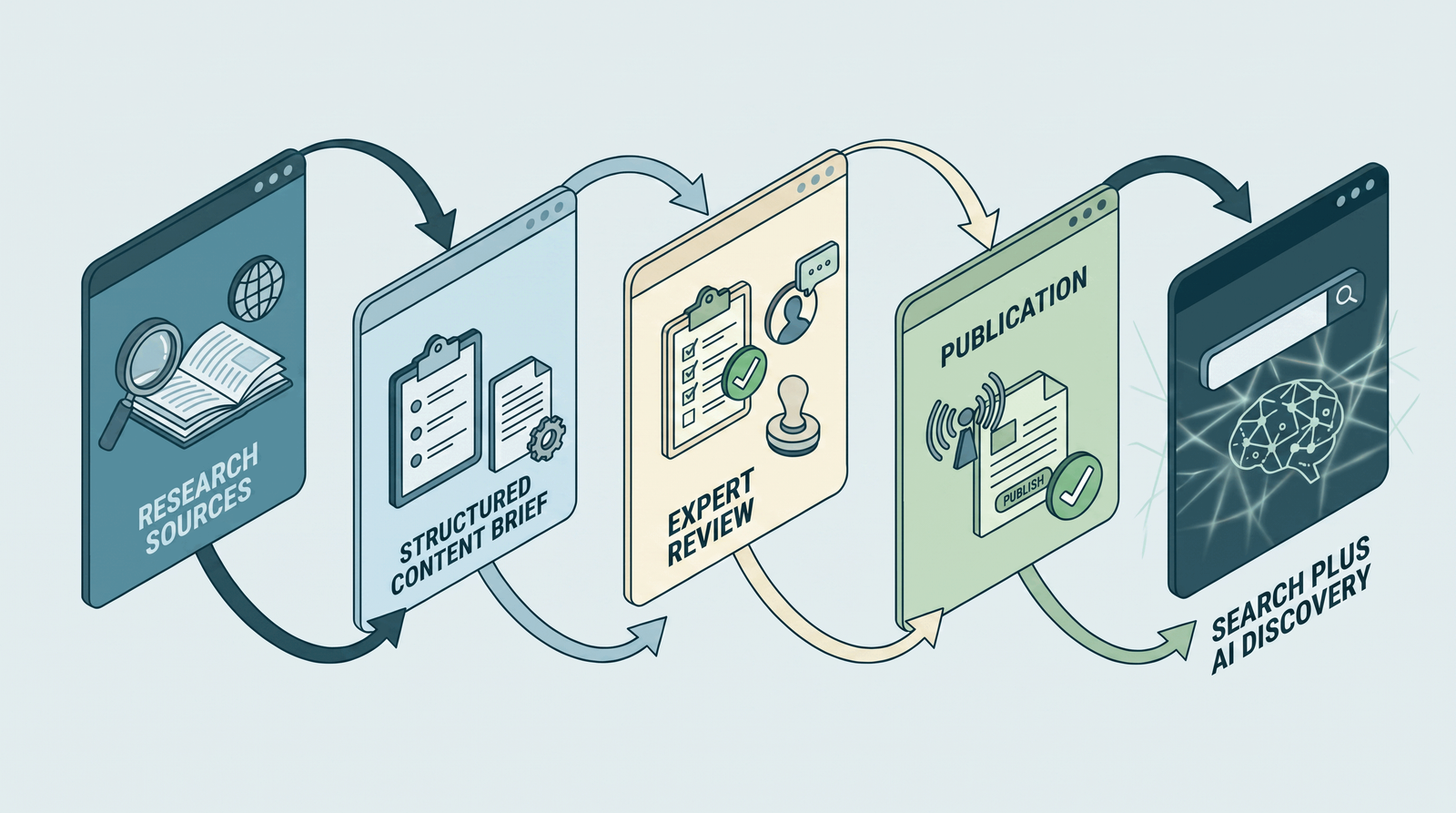
Keep three stages separate: the assistant proposes an issue or draft change, a lawyer reviews and approves the wording, and an authorized person sends or implements the change. Preserve the relevant source, original clause and reason for the decision. If a Word workflow can generate a tracked change, check that it did not modify unrelated formatting or cross-references. A counterparty communication requires another review of tone, privilege and negotiation authority. When the tool cannot explain a proposed change with traceable source material, hold the item for manual assessment. The final record should show who approved the clause and which agreement version was actually sent.
Decide whether Claude or a specialist contract platform is suitable
Claude may be useful for document organization and assisted comparison, while a dedicated contract lifecycle platform may offer governed approvals, obligation tracking and enterprise controls. The right choice depends on the task, source systems, user permissions, review volume and audit requirements. Compare capabilities through verified current documentation and a test using the organization’s actual review criteria. Do not treat every legal-AI product as a direct replacement, and do not assume vendor examples will work with the organization’s licensing or document format. Record both the value of the proposed approach and the remaining limits so the buyer can choose between a narrow assisted workflow, a specialist platform or a manual process.
Illustrative Decision Scenarios — Not Client Case Studies
The following examples are hypothetical tests for evaluating a possible workflow; they do not represent client engagements, demonstrations or observed tool performance.
NDA with missing definition
Claude flags an unusual use of “Confidential Information” but the exhibit containing its definition is absent. The reviewer must obtain the missing material before resolving the issue.
Liability carve-out
A draft contains a limitation provision that may conflict with an indemnity section. The issue log links both clauses so a lawyer can assess their combined effect.
Source-linked artifact review
A tracking artifact records a suggested fallback clause. The lawyer opens the exact agreement version and playbook provision, confirms or rejects the change and records the decision.
Which Guide or Decision Fits Your Need?
| Need | Decision focus | Next guide |
|---|---|---|
| General AI contract guidance | Cross-platform review methods and human sign-off | Existing AI Contract Review guide |
| Claude legal artifacts | Ready-to-use tracking and workflow artifacts in Claude | Existing Claude Legal Artifacts guide |
| Claude contract review workflow | Specific clauses, playbooks, Claude surfaces and verification | This guide |
These distinctions are editorial page boundaries, not an objective ranking of software. For a legal decision, use the actual jurisdiction, relevant documents and accountable reviewer.
Questions Legal Teams Often Ask
Can Claude approve or sign contracts?
It should not be treated as an independent legal approver. Establish an authorized human decision and signing process.
Does a clause source link prove the recommendation is right?
No. The reviewer must inspect context, definitions, applicable law and transaction facts.
Should we upload real client agreements for the first test?
Start with synthetic or approved examples and complete the relevant confidentiality and product-permission checks before using sensitive records.
Primary Sources and Research Limitations
Source dates and vendor statements should be checked again before implementation. Product availability, role settings, integration access and professional duties differ by organization and jurisdiction. The scenarios above are proposals for testing; they do not imply actual test results, affiliation or verified service delivery.
- Anthropic, Claude for the legal industry (12 May 2026) — Vendor announcement; product capabilities subject to account and configuration.
- Anthropic, Introducing artifacts for legal work (28 October 2026) — Vendor announcement; interactive templates do not prove legal reliability.
- Anthropic, Deploying Claude across the legal industry (May 2026) — Vendor guidance on product categories and rollout.
- Claude Help Center, Use connectors to extend Claude’s capabilities — Permissions, authentication and admin behavior; verify current product settings.
- American Bar Association, Formal Opinion 512 (29 July 2024) — U.S. lawyers; ethics guidance not universally applicable.
- Solicitors Regulation Authority, Misuse of AI warning (17 August 2026) — England and Wales regulated legal work.
Related Guides and Further Decisions
Continue with the guide that addresses your next distinct question. Links below connect this article to existing research, broader evaluation criteria and possible consultation pathways.
- Ai Contract Review Redlining
- Claude Legal Artifacts
- Claude For Lawyers
- Claude Legal Connectors
- Legal Ai Tools For Law Firms
- Solutions
A consultation concerns your actual requirements and verified capabilities, not an endorsement or partnership with the named product provider.
Named Legal AI Connectors and Source Checks
These guides examine documented connections and the specific questions about access permissions, contract records, document retrieval and legal citations that should be resolved before a firm relies on AI-assisted work.
Discuss Your Next Legal AI Decision
Bring the task, team roles, approved source systems and concerns. A discussion can identify an appropriate evidence-based evaluation or research next step.
Discuss Our Claude Contract Review ProcessAbout Dr. Rahul Dev
Dr. Rahul Dev is a PhD Data Scientist, Technology Law and Patent Attorney, AI Educator, and international business advisor with more than 20 years of professional experience. His work spans artificial intelligence, emerging technology, intellectual property, digital growth, technical research, and business strategy. Read the author profile.