Plaintiff Workflow Fit
Compare intake, case stages, tasks, deadlines, documents and settlement workflows.

A structured comparison of CloudLex alternatives for plaintiff law firms evaluating intake, matters, medical records, settlements, referrals, security and migration.
Save or follow this source
Add AdvocateRahulDev.com to Google Preferred Sources or open this page in your preferred AI tool.
Need help connecting your CloudLex Alternatives for Plaintiff Law Firms evaluation to a broader legal-tech, client-service or growth decision? Share the workflow, constraints and outcome you want to improve.
Discuss CloudLex Alternatives for Plaintiff Law Firms with Dr. Rahul Dev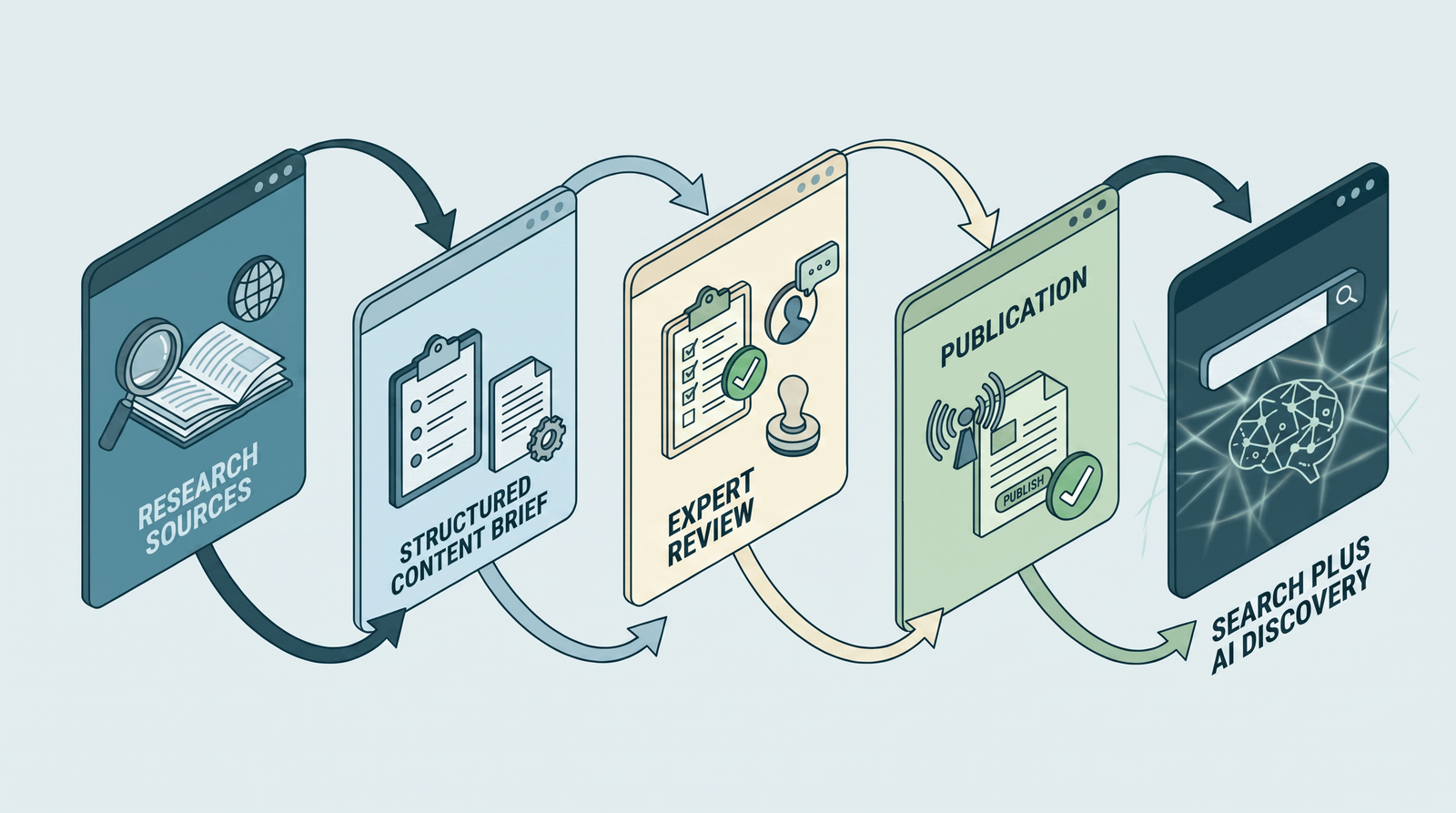
Plaintiff firms need technology that supports intake, records, tasks, communication, expenses, settlements and reporting from the first enquiry through resolution.
The strongest alternative is the one that fits the firm’s case type, referral model, security obligations, implementation capacity and growth plans.
Compare intake, case stages, tasks, deadlines, documents and settlement workflows.
Review medical records, expenses, calculations, signatures and case documentation.
Assess referral tracking, communication, portals, mobile access and collaboration.
Evaluate hosting, access controls, encryption claims, data export, implementation and continuity.
A broader platform may support more practice areas but provide less plaintiff-specific depth.
Direct alternatives should therefore be separated from general systems that may require configuration or external tools to reproduce the same workflow.
CloudLex is positioned specifically for personal-injury and plaintiff firms, with intake, matters, documents, communication, workflows, tasks, settlements, expenses, e-signature and AI-enabled search.
commercial terms is custom quoted, and security, implementation, integrations and migration should be reviewed directly rather than inferred from headline product descriptions.
Need help connecting your CloudLex Alternatives for Plaintiff Law Firms evaluation to a broader legal-tech, client-service or growth decision? Share the workflow, constraints and outcome you want to improve.
Discuss CloudLex Alternatives for Plaintiff Law Firms with Dr. Rahul DevMap the firm’s intake, matter, referral, record, settlement, communication and reporting workflows before evaluating vendor demonstrations.
This allows the firm to compare real operating fit instead of relying on product labels or feature-count marketing.
The lower section distinguishes direct substitutes from adjacent alternatives, identifies implementation and migration questions, and links to official vendor sources.
Published and last updated: August 4, 2026
CloudLex is positioned specifically for plaintiff and personal-injury firms, covering intake, matters, documents, communication, workflows, tasks, settlements, expenses, e-signature, mobile access and AI-enabled search.
commercial terms or access: commercial terms is custom quoted. Security, implementation, integrations and migration should be reviewed directly with the vendor. Checked for this research record on August 4, 2026; recheck before procurement.
This comparison uses official vendor materials for incumbent and product claims. The shortlist is organised by use case, not as a universal ranking. Features, ownership, integrations, commercial terms and implementation terms may change.
Best suited for: PI firms wanting a focused turnkey platform with published plan information.
Qualification: Strong direct comparison for structured PI operations.
Best suited for: Litigation firms needing deeper configuration and integrations.
Qualification: Potentially broader and more complex to implement.
Best suited for: PI firms prioritising records, demands, liens and settlements.
Qualification: Direct PI-focused comparison with vendor-led implementation.
Best suited for: Firms needing configurable litigation operations and analytics.
Qualification: Broader and more implementation-intensive.
Best suited for: Enterprise law firms and legal departments.
Qualification: More enterprise-oriented and not limited to plaintiff workflows.
Best suited for: Firms seeking broad practice management and ecosystem breadth.
Qualification: Adjacent alternative; may lack plaintiff-specific depth.
Best suited for: Firms seeking integrated general-practice management.
Qualification: Broader but less plaintiff-specific.
| Use case | Candidate | Qualification |
|---|---|---|
| PI firms wanting a focused turnkey platform with published plan information. | CASEpeer | Strong direct comparison for structured PI operations. |
| Litigation firms needing deeper configuration and integrations. | SmartAdvocate | Potentially broader and more complex to implement. |
| PI firms prioritising records, demands, liens and settlements. | Assembly Neos | Direct PI-focused comparison with vendor-led implementation. |
| Firms needing configurable litigation operations and analytics. | Filevine | Broader and more implementation-intensive. |
| Enterprise law firms and legal departments. | Litify | More enterprise-oriented and not limited to plaintiff workflows. |
| Firms seeking broad practice management and ecosystem breadth. | Clio | Adjacent alternative; may lack plaintiff-specific depth. |
| Firms seeking integrated general-practice management. | MyCase | Broader but less plaintiff-specific. |
The strongest CloudLex alternatives depend on firm size, practice area, workflow, financial requirements, integrations, implementation capacity and overall resource requirement. No single platform is best for every organisation.
The answer depends on the firm’s operating model, required features, implementation capacity, data structure, security obligations and overall resource requirement. Vendor demonstrations and contract review remain necessary.
Directness depends on the workflow being replaced. Purpose-built products may be closer for a specific practice area, while broader platforms may require configuration or process changes.
The answer depends on the firm’s operating model, required features, implementation capacity, data structure, security obligations and overall resource requirement. Vendor demonstrations and contract review remain necessary.
Review data exports, field mapping, documents, financial records, integrations, permissions, training, cutover support and post-migration validation before proceeding.
Review workflow, data, integrations, implementation, governance, adoption and commercial objectives before selecting or replacing legal technology.
Additional context on legal technology, search visibility, AI discovery and digital growth for law firms.
A useful comparison should start with the work that needs to be completed, not with a vendor feature list. For CloudLex Alternatives for Plaintiff Law Firms, map the people, documents, approvals, integrations and reporting steps that shape the current process. Identify where delays, duplicate work, handoffs or verification burdens occur. Then test whether each alternative improves those specific points without creating new dependencies elsewhere. This approach gives the comparison a stable decision framework even when product features change. It also helps the team distinguish a capability that looks impressive in a demonstration from a capability that will actually reduce friction in the firm's day-to-day work.
The evaluation of CloudLex Alternatives for Plaintiff Law Firms should include access controls, confidentiality, data handling, export options, administrative oversight and the human review steps required before an output affects client work. These questions are part of product fit, not a separate exercise after procurement. A team can document which users need access, what information may enter the system, how work is checked and how records can be retrieved if the product is replaced later. This makes the selection process more defensible and reduces the risk that a technically capable product creates operational problems because the surrounding governance model was never designed.
A pilot for CloudLex Alternatives for Plaintiff Law Firms is more informative when it uses representative work rather than only vendor-provided examples. Select a small set of matters, documents or tasks that reflect the variety the team normally handles. Define what a useful result looks like before the trial begins, including accuracy checks, time saved, review effort, user adoption and any integration or export requirements. The point is not to produce a universal score. It is to learn how the system behaves in the firm's own environment and whether the expected benefit survives the verification and supervision work that remains necessary.
A final comparison should leave the team with a short decision record that explains why one option fits the workflow better than another. Record the use case, required integrations, supervision or verification steps, data-handling constraints, implementation effort and the outcome the team expects to improve. Where the page cites vendor or official material, keep those sources attached to the relevant claim so later reviewers can distinguish documented capability from internal judgment. This makes the analysis more useful after the initial purchase decision because the same criteria can be revisited during rollout, renewal or a future migration rather than rebuilding the evaluation from scratch.
Need help connecting your CloudLex Alternatives for Plaintiff Law Firms evaluation to a broader legal-tech, client-service or growth decision? Share the workflow, constraints and outcome you want to improve.
Discuss CloudLex Alternatives for Plaintiff Law Firms with Dr. Rahul Dev