State advocate or legal-consultant status, licensing and court capability accurately.
DUBAI LAW FIRM MARKETING
Law Firm Marketing in Dubai: Build Search Visibility for an International Legal Market
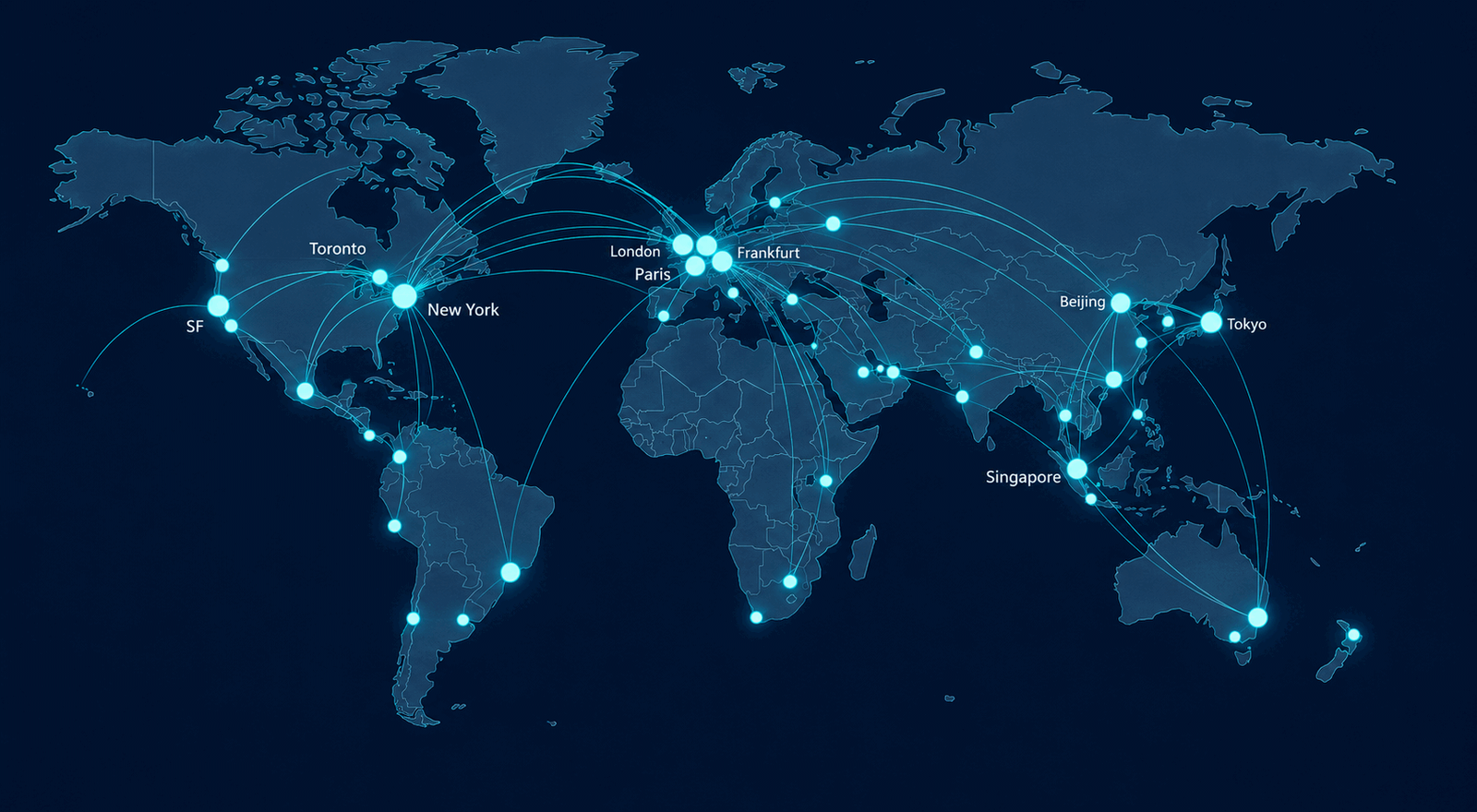
Dubai attracts legal buyers from numerous industries, jurisdictions and language backgrounds. That creates an unusually complex discovery environment in which law firms and legal consultancies may need to communicate regulatory context, practice expertise, international capability, sector knowledge and professional credibility clearly.
Save or follow this source
Add AdvocateRahulDev.com to Google Preferred Sources or open this page in your preferred AI tool.
Generic positioning is particularly weak in a market where many firms already present an international profile. Clear evidence and structure become part of differentiation.
Turn This Topic Into a Practical Growth Plan
Want to turn Law Firm Marketing in Dubai: Build Search Visibility for an International Legal Market into a practical growth plan for your firm? Discuss the target market, current visibility gaps and the client outcomes that matter most.
Discuss your Law Firm Marketing in Dubai: Build Search Visibility for an International Legal Market strategyInternational Markets Punish Ambiguous Positioning
A visitor arriving from search or AI-assisted research may need to determine quickly what type of legal work the firm performs, which jurisdiction applies, who provides the relevant expertise, which industries the firm understands, what languages are available and how to make contact.
Build a Dubai-Focused Digital Authority System
Separate local Dubai intent from overseas UAE legal-service research.
Localise maintained, high-value pages where language demand justifies it.
Connect credible legal expertise with industries important to the firm's actual practice.
Make professional entities, jurisdictions, practices and sources explicit.
Reduce uncertainty for clients contacting the firm from outside the UAE.
Make International Capability Easy to Understand
The commercial opportunity is to transform a complex legal-services proposition into a clearer digital experience for local and international prospective clients.
The commercial opportunity is to transform a complex legal-services proposition into a clearer digital experience for local and international prospective clients.
Need a Strategy Built Around Your Firm?
Want to turn Law Firm Marketing in Dubai: Build Search Visibility for an International Legal Market into a practical growth plan for your firm? Discuss the target market, current visibility gaps and the client outcomes that matter most.
Discuss your Law Firm Marketing in Dubai: Build Search Visibility for an International Legal Market strategyLAW FIRM DIGITAL GROWTH
From Growth Strategy to Research
The video below introduces the broader shift in law-firm visibility and digital growth before the market-specific research section.
Research: Law Firm Marketing in Dubai
Published and updated: August 12, 2026
Direct answer. Law-firm marketing in Dubai should communicate professional status, jurisdictional scope, practice expertise, languages and international capability with exceptional clarity. Dubai’s large international legal-consultancy segment makes generic positioning particularly weak: firms should differentiate through substantive expertise, sector knowledge, authoritative professionals and a website architecture that supports local and cross-border client evaluation.
Dubai has an unusually international legal-services environment
The Government of Dubai Legal Affairs Department reported that by the end of Q1 2026 there were 3,433 practising legal consultants across 139 licensed legal consultancy firms. Of those firms, 86 were international firms, representing 61.8 percent of the licensed legal consultancy firms reported by the Department.
The same official announcement stated that legal consultants represented 91 nationalities. These figures provide strong evidence that international differentiation is a central feature of the Dubai market rather than a peripheral consideration.
Professional status should be stated precisely
Dubai distinguishes between advocates and legal consultants within its professional framework. The Department’s registration information explains that practising legal consultants may provide legal services in the Emirate except pleading and representing third parties before Dubai Courts.
Marketing content should therefore accurately identify professional category, licence, court capability, relevant jurisdiction and firm type. Ambiguous terminology can create both compliance and client-understanding problems, especially for overseas visitors unfamiliar with the local professional structure.
The official directory is an important verification layer
Dubai’s Legal Affairs Department maintains a public directory of registered advocates, legal consultants and licensed firms. The directory also states that inclusion does not constitute government recommendation or endorsement.
For website architecture, this creates a useful distinction between verification and promotion. A firm may link to official registration information as evidence of status without presenting the listing as an award, endorsement or ranking.
International visitors need more explanatory content
A client arriving from another jurisdiction may not understand the difference between advocates and consultants, the role of Dubai Courts, which jurisdictional framework is relevant, which lawyer handles the matter, whether services are Arabic or English, or how cross-border coordination works.
Content answering these questions can provide substantial search and conversion value. It reduces the amount of background knowledge the visitor must bring to the site before deciding whether to make contact.
Sector architecture may outperform generic legal categories
Dubai’s economy attracts cross-border commercial activity, so firms serving corporate markets may benefit from clear industry architecture. Potential sectors might include technology, finance, real estate, construction, trade, hospitality, energy or emerging businesses where the firm has real expertise.
The important rule is not to create every possible industry page. Each page should correspond to credible experience and contain enough specific information to be useful to a buyer in that sector.
Multilingual content should be professionally governed
The international composition of Dubai’s legal market supports consideration of multilingual content. However, multilingual SEO should not mean mass machine translation. The firm needs an authoritative source language, professional translation or review where appropriate, consistent lawyer information, equivalent navigation, metadata localisation and version maintenance.
A language version that cannot be kept current may create more risk than value. Localisation should follow commercially significant demand and a realistic governance process.
AI discovery should be treated as information architecture
Google states that its generative AI features rely on established SEO foundations and do not require special AI schema. OpenAI recommends allowing OAI-SearchBot where publishers want content surfaced and cited in ChatGPT search.
For Dubai firms, particularly valuable machine-readable and human-readable information includes professional identity, licence or status, jurisdiction, practices, sectors, languages, lawyers or consultants and related authoritative content. Making those relationships explicit is more defensible than promising that special optimisation will cause an AI system to recommend the firm.
Local search and international search should coexist
A Dubai firm may receive local discovery from businesses and residents already in the Emirate and international discovery from overseas clients researching UAE legal support. These audiences need different information.
The website can distinguish Dubai local landing content, UAE jurisdictional resources, cross-border service pages, industry pages and professional profiles. Internal links should help the visitor move between these layers without forcing every page to contain the entire firm proposition.
Content depth is a competitive asset
In a market with many international firms, generic claims such as “experienced lawyers providing world-class legal services” provide little differentiation. More valuable content can explain regulatory change, sector issues, jurisdictional process, legal-business implications and practical decision frameworks.
Google’s current guidance emphasises unique, non-commodity content. This supports a strategy based on substantive Dubai-specific expertise rather than scaled promotional copy.
Conversion architecture should recognise international buyers
A foreign client may want to know who will respond, which language can be used, what kind of matter is accepted, whether the firm handles the relevant jurisdiction and how remote engagement works.
The enquiry system should reduce that uncertainty without publishing unsupported claims about results. Clear routing by practice or professional can be more useful than a single undifferentiated contact form.
Practical Dubai growth framework
A practical sequence is to verify professional and licensing terminology, define priority client segments, map local versus international search intent, identify meaningful sectors, strengthen lawyer and consultant profiles, create substantive Dubai-specific research, maintain multilingual content where justified, link official verification where useful, connect research to commercial and intake pages, and measure enquiries by geography, practice and client type.
This produces a market-specific growth architecture rather than a generic international law-firm template.
Decision checklist before expanding this market
Before publication or redesign, a Dubai Law Firm Marketing page should be tested against a simple decision checklist. First, confirm that every geographic or professional claim is true and supportable. Second, confirm that the page answers a client question that is not already answered better by a broader parent page. Third, verify that named practices, professionals and offices are connected by ordinary HTML links. Fourth, review whether the page helps a user determine service fit, jurisdiction, professional identity and next steps. Fifth, make sure local evidence is maintained over time rather than treated as a one-off SEO insertion.
The same discipline should apply to analytics. Search impressions and visits are useful leading indicators, but they should be interpreted alongside engagement with relevant practice pages, professional profiles and contact routes. A location page that attracts traffic but sends almost nobody toward a relevant lawyer or service may need a clearer purpose. Conversely, a lower-traffic page can be commercially valuable when it reaches a narrow, high-intent audience and helps that audience make a well-informed enquiry.
Finally, expansion should remain conditional. New child pages should be created only when research shows a distinct user need, enough authoritative local material, and a clear place in the internal-link graph. This prevents the geographic cluster from becoming a directory of thin variants and keeps the site aligned with the project rule that qualified commercial discovery matters more than maximum page count.
Frequently Asked Questions
How international is Dubai's legal consultancy market?
The Dubai Legal Affairs Department reported 86 international firms among 139 licensed legal consultancy firms at the end of Q1 2026, with practising legal consultants representing 91 nationalities.
Are advocates and legal consultants the same?
No. Dubai's regulatory system distinguishes the categories, and practising legal consultants are not authorised by that registration to plead or represent third parties before Dubai Courts.
Does Dubai maintain an official directory?
Yes. The Legal Affairs Department provides a directory of registered advocates, legal consultants and licensed firms.
Should international firms create separate Dubai content?
Yes where they genuinely operate or serve the market and can provide substantive locally relevant information.
Can special AI SEO guarantee visibility?
No. Google states that standard SEO remains foundational and no special AI markup is required.
Sources and References
Related Pages
Law Firm Marketing in Abu DhabiLaw Firm Marketing in SharjahConnect Research With a Stronger Law Firm Growth Architecture
Explore Councl for Law Firms for a connected approach to website strategy, search visibility, AI discoverability, content authority and client-intake pathways.
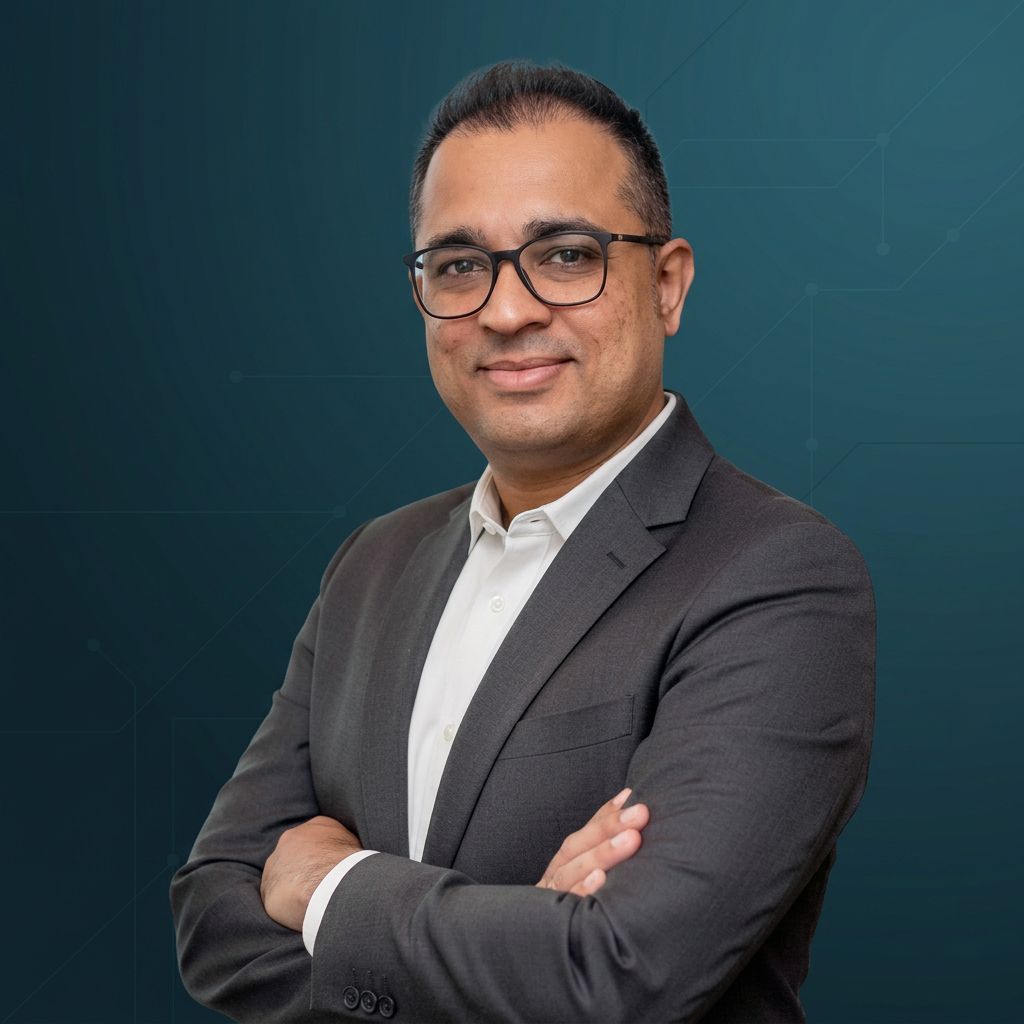
About Dr. Rahul Dev
Dr. Rahul Dev is a PhD Data Scientist, Technology Law and Patent Attorney, AI Educator, and international business advisor with more than 20 years of professional experience. His work spans artificial intelligence, emerging technology, intellectual property, digital growth, technical research, and business strategy. He advises law firms, founders, CEOs, and CXOs on how technology, content, data, and legal systems influence authority, visibility, innovation, and commercial growth.
Ready to Define the Next Step?
Want to turn Law Firm Marketing in Dubai: Build Search Visibility for an International Legal Market into a practical growth plan for your firm? Discuss the target market, current visibility gaps and the client outcomes that matter most.
Discuss your Law Firm Marketing in Dubai: Build Search Visibility for an International Legal Market strategy