Keep Miami distinct from the Florida parent and broader South Florida where buyer intent genuinely differs.
Miami Law Firm Marketing
Law Firm Growth in Miami: Connect Local, Multilingual and International Client Demand
Miami firms may serve local, South Florida, multilingual and international clients simultaneously. A stronger growth system makes practice scope, language capability, jurisdictional context, lawyer identity and enquiry pathways clear to each audience.
Save or follow this source
Add AdvocateRahulDev.com to Google Preferred Sources or open this page in your preferred AI tool.
Build a Miami Client-Acquisition Plan
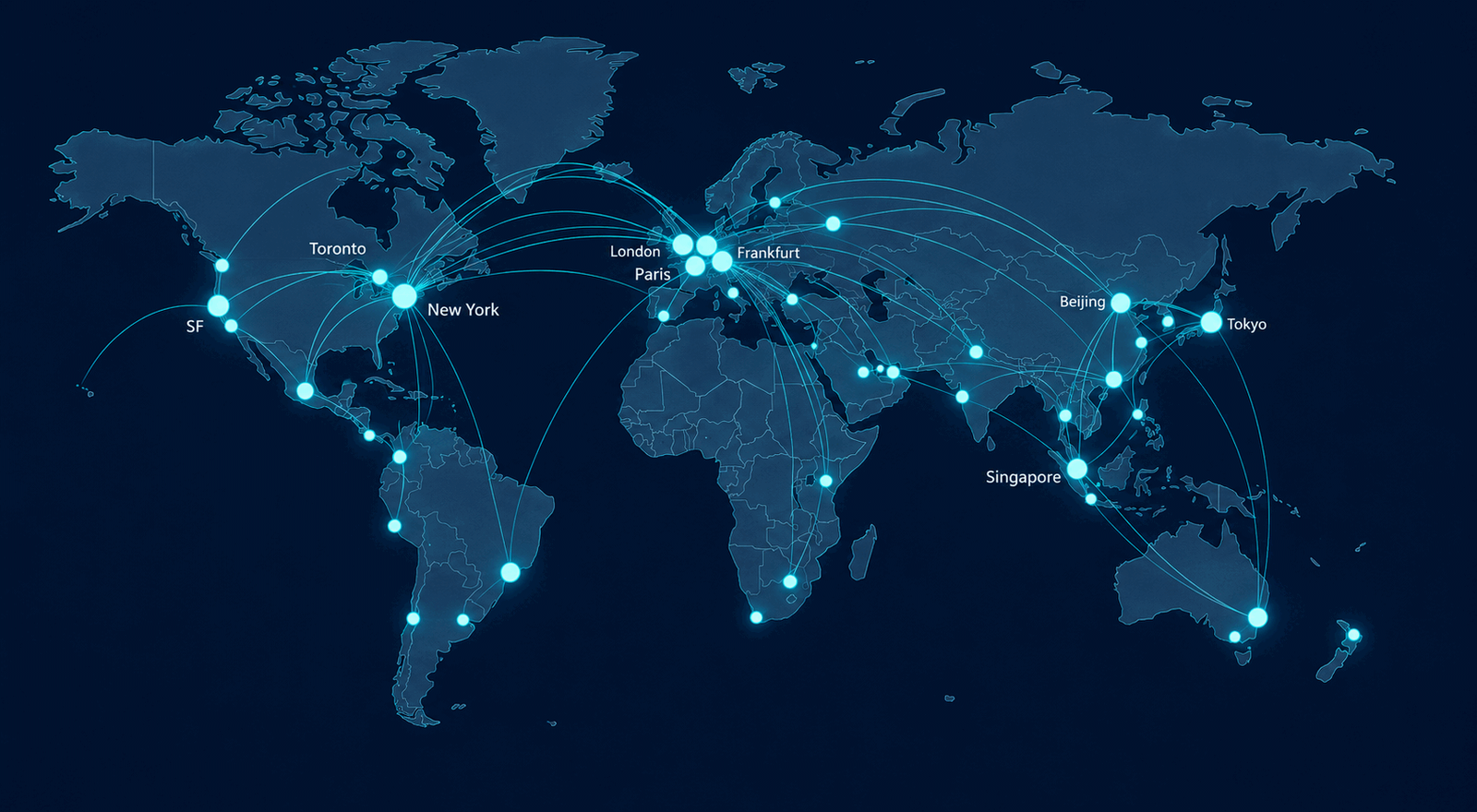
Map the local, multilingual, South Florida and international audiences most relevant to your firm, then connect search, AI discovery, content and intake around each journey.
Discuss your growth prioritiesThe growth problem
Serve Several Miami Client Markets Without Blurring the Message
Miami is not one homogeneous audience. Local consumers, regional businesses, multilingual prospects and international clients may evaluate different evidence, so pages and pathways should reflect genuine differences in service capability and buyer need.
Commercial framework
Build Miami Growth Around Audience, Language and Cross-Border Clarity
Use language-specific content only where the firm can genuinely serve that audience and maintain equivalent quality.
Explain jurisdiction, cross-border relevance and service scope clearly for prospects researching from outside the United States.
Keep maps, profiles and local-search signals aligned with genuine Miami presence.
Make languages, admissions and relevant cross-border or local expertise explicit and verifiable.
Give local, multilingual and international prospects clear routes to the appropriate practice and enquiry path.
Strategic reframing: Miami growth is strongest when the site distinguishes local, regional, multilingual and international buyer journeys instead of forcing them through one generic city message.
Prioritize the Miami Growth Gaps That Affect Different Audiences
Identify where language capability, cross-border context, local relevance, lawyer identity or conversion pathways are unclear to qualified prospects.
Discuss your growth prioritiesConnect Miami Local and International Discovery with Client Acquisition
Councl for Law Firms is the primary commercial pathway for firms seeking to connect Miami local visibility, multilingual content, international buyer clarity, website conversion and intake.
Video perspective
Law-Firm Digital Growth Perspective
Additional context on search visibility, AI-assisted discovery, legal technology and digital growth for law firms.
Research and analysis
Explore Councl
Research: Law Firm Marketing in Miami
Published and updated: August 13, 2026
Direct answer: Miami law-firm marketing should combine genuine Miami and South Florida relevance with multilingual and international client discovery where those capabilities are real. The page should remain distinct from the Florida parent by focusing on metropolitan acquisition, local-search context, language strategy, international buyers, lawyer authority and intake. Florida's professional advertising framework remains the regulatory baseline for Miami firms.
Miami serves several overlapping client markets
A Miami firm may serve:
- - Miami-Dade clients;
- - wider South Florida;
- - statewide Florida clients;
- - Spanish-speaking clients;
- - international businesses or individuals;
- - cross-border matters.
Those audiences should not automatically receive the same content pathway.
A useful architecture should distinguish local, regional and international intent.
Miami and South Florida should not be treated as identical
Some users search specifically for Miami counsel. Others may think in terms of South Florida. The firm should decide whether separate pages are justified based on:
- - office location;
- - practice;
- - client geography;
- - unique content;
- - commercial role.
Creating several near-identical South Florida pages can weaken clarity.
Multilingual content should follow service capability
Spanish-language content may be commercially relevant for some Miami firms, but it should be produced only where the firm can maintain it accurately and serve the resulting enquiries.
A multilingual strategy should address:
- - professional translation or review;
- - legal terminology;
- - equivalent navigation;
- - metadata;
- - lawyer language capability;
- - update governance.
Translation should not become a one-time duplication exercise.
International client discovery requires more explanation
Overseas visitors may need to understand:
- - US and Florida jurisdictional scope;
- - whether the firm handles cross-border work;
- - which lawyer is relevant;
- - language capability;
- - how remote engagement works;
- - what information to provide.
Pages should answer these questions clearly without implying services the firm does not offer.
Florida advertising rules still apply
Miami firms remain subject to the Florida Bar's advertising framework. Current official guidance includes detailed filing requirements for specified advertisements and revised filing fees effective July 1, 2026.
The fact that a campaign targets international or multilingual users does not remove professional obligations.
Local SEO must correspond to real presence
A Miami page should accurately represent:
- - office location;
- - lawyers;
- - practices;
- - contact route;
- - local relevance.
The site should not imply offices in other South Florida cities unless they actually exist.
Practice pages should support local and international buyers differently
A local consumer matter may require a direct, simple contact route. A cross-border business matter may require deeper evaluation of partner expertise, sector knowledge and international capability.
The website can support both by creating different paths within one coherent architecture.
Lawyer profiles should explain language and jurisdiction accurately
Where relevant, profiles can include:
- - languages;
- - admissions;
- - office;
- - practices;
- - cross-border experience;
- - publications;
- - related research.
This makes professional identity easier to evaluate.
AI search depends on accessible, reliable information
Google states that its AI search features rely on the same core SEO foundations and do not require special AI schema. OpenAI states that public pages can appear in ChatGPT search and advises publishers seeking discovery not to block OAI-SearchBot.
For Miami firms, strong preparation means:
- - clear professional identity;
- - explicit location;
- - accurate languages;
- - useful direct answers;
- - substantive local research;
- - internal links;
- - crawlable pages.
Reputation should be handled carefully
Reviews, awards and directory profiles may influence user evaluation, but promotional use should remain consistent with professional rules. Verification and endorsement should not be confused.
The firm's own website should still provide enough information for the user to understand service fit.
Intake architecture should distinguish client types
Miami firms receiving international or multilingual enquiries may benefit from intake that captures:
- - location;
- - preferred language;
- - practice;
- - urgency;
- - relevant jurisdiction.
The process should remain simple enough not to discourage qualified enquiries.
Measurement
Track:
- - Miami versus wider South Florida traffic;
- - language-version engagement;
- - international referrals;
- - lawyer-profile visits;
- - local profile actions;
- - enquiry rate;
- - enquiry geography;
- - enquiry quality.
Practical framework
- 1. Define Miami versus South Florida scope.
- 2. Verify real office and service locations.
- 3. Identify multilingual demand.
- 4. Create maintained language content only where justified.
- 5. Clarify international service scope.
- 6. Strengthen lawyer profiles.
- 7. Review campaigns under Florida advertising rules.
- 8. Improve internal linking.
- 9. Segment intake by client type where useful.
- 10. Measure qualified local and international matters.
Additional implementation considerations
Miami firms should decide whether language-specific content is a complete client pathway or merely a translated entry page. If a Spanish-language visitor reaches a translated practice page but the relevant lawyer profile, contact form or follow-up material is available only in English, the experience may become inconsistent. Multilingual strategy should therefore cover the full journey where commercially justified.
International-client pages also need careful jurisdictional wording. A page can explain that the firm advises on Florida or US matters for international clients without implying that the firm is licensed in every jurisdiction from which a client may contact it. Lawyer admissions and office locations should remain explicit.
Miami content can also benefit from sector and cross-border context where genuine expertise supports it. Real estate, trade, corporate, immigration or private-client themes may be important for some firms, but the site should not publish those pages merely because they appear commercially attractive. The professional team and actual service capability should determine which sectors are represented.
Measurement should separate local, domestic non-local and international enquiries. That segmentation can show whether multilingual or cross-border content is attracting the intended audience and whether those visitors progress to the appropriate professionals.
Frequently Asked Questions
How is Miami marketing different from Florida marketing?
Miami focuses on metropolitan, multilingual and international acquisition; Florida remains the statewide parent.
Should Miami firms publish Spanish-language content?
Only when client demand and service capability justify maintained, professionally reviewed content.
Should Miami and South Florida have separate pages?
Only where each serves distinct intent and provides unique value.
Do Florida advertising rules still apply to Miami campaigns?
Yes.
Can AI visibility be guaranteed?
No.
Sources and References
Related Pages
Connect Research With a Stronger Law Firm Growth Architecture
Explore Councl for Law Firms for a connected approach to website strategy, search visibility, AI discoverability, content authority and client-intake pathways.
About Dr. Rahul Dev
Dr. Rahul Dev is a PhD Data Scientist, Technology Law and Patent Attorney, AI Educator, and international business advisor with more than 20 years of professional experience. His work spans artificial intelligence, emerging technology, intellectual property, digital growth, technical research and business strategy.
Discuss Your Miami Growth Priorities
Turn the Miami market research into a focused plan for local, multilingual and international client acquisition.
Discuss your growth priorities