Communicate Innovation Clearly
Explain AI-enabled legal services without vague claims.
A criteria-led comparison of Legora alternatives covering product scope, security, procurement terms, integrations, implementation and professional verification.
Save or follow this source
Add AdvocateRahulDev.com to Google Preferred Sources or open this page in your preferred AI tool.
Need help connecting your Legora Alternatives for Legal Research and Review evaluation to a broader legal-tech, client-service or growth decision? Share the workflow, constraints and outcome you want to improve.
Discuss Legora Alternatives for Legal Research and Review with Dr. Rahul Dev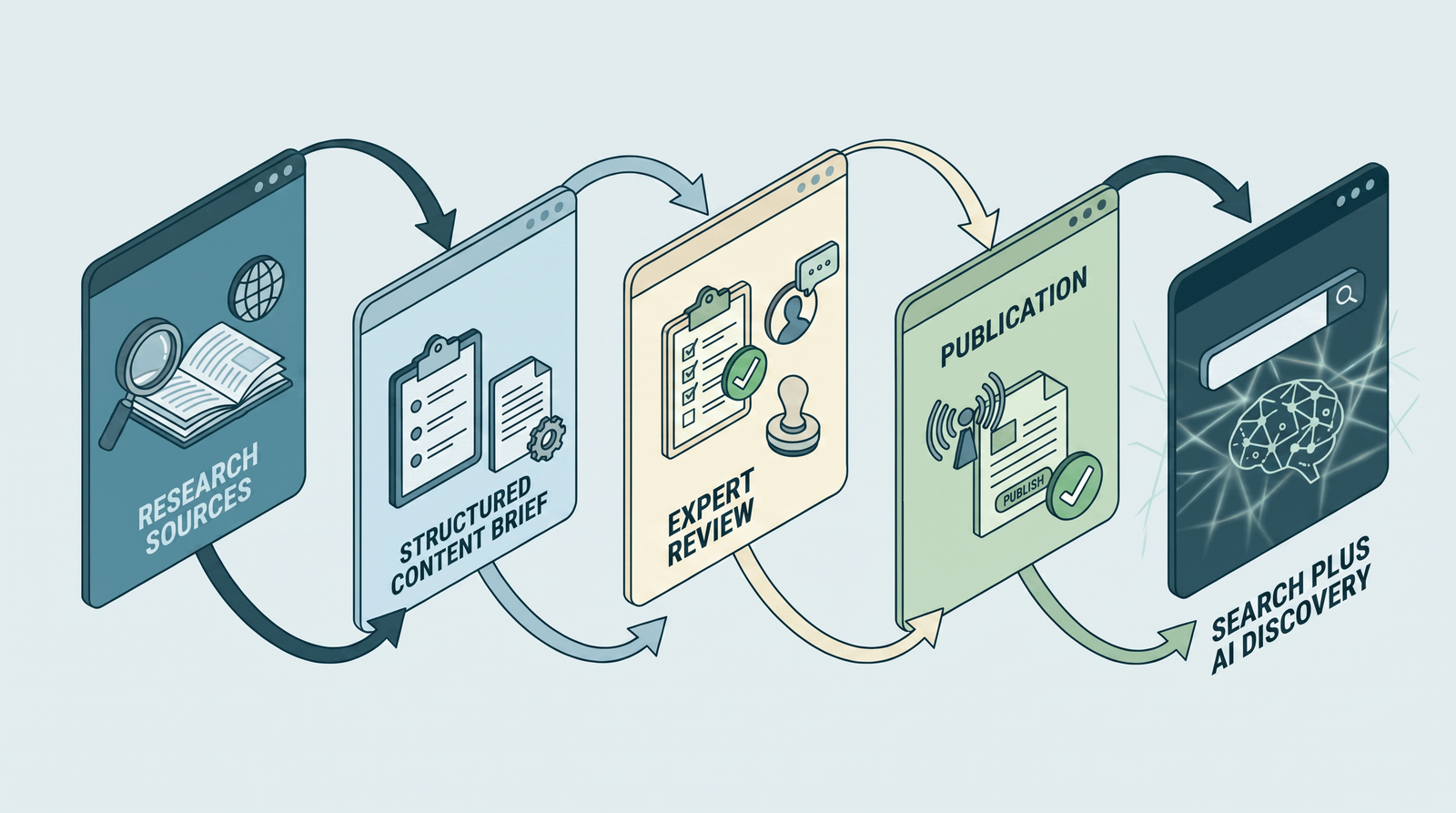
Legal AI can improve internal work, but the commercial value increases when the firm communicates that capability clearly to clients through a strong website and content architecture.
Councl can help translate the firm’s technology and legal expertise into a modern website, stronger service positioning, faster performance, search visibility, AI-search readiness and a clearer client journey.
Explain AI-enabled legal services without vague claims.
Create interconnected pages across AI, industries and practices.
Strengthen structured entities and content clarity.
Move visitors to the right service or consultation path.
Councl evaluates law firms through public signals connected to performance, reputation, experience and reliability.
Its services focus on identifying digital gaps and improving the website, search architecture, content, technical performance and client journey.
Need help connecting your Legora Alternatives for Legal Research and Review evaluation to a broader legal-tech, client-service or growth decision? Share the workflow, constraints and outcome you want to improve.
Discuss Legora Alternatives for Legal Research and Review with Dr. Rahul DevLegal AI procurement should sit within a wider plan covering service positioning, website experience, content authority, search visibility, AI discovery and client conversion.
This video provides additional context alongside the comparison and digital-growth guidance on this page.
Published and last updated: August 5, 2026
This page evaluates Legora alternatives using the incumbent platform’s current positioning, official vendor information, security and implementation considerations, and a use-case-specific shortlist. It does not identify a universal winner. Legal AI output must remain subject to qualified professional review.
Legora describes its platform as a cloud-based legal AI workspace used for work involving public legal information and a subscriber’s own documents, with browser and desktop access plus APIs where agreed. That positions Legora as a broader legal-work platform rather than a single-purpose drafting assistant. Alternatives should therefore be compared on research, document work, collaboration, integrations and enterprise deployment.
Legora positions itself as an agentic operating system for legal work covering research, drafting, review, workflows, tabular review, collaboration, mobile access, portal delivery and integrations.
Verification basis: Current product scope should be checked against Legora. Features, security controls, integrations, deployment terms and commercial terms can change, so procurement decisions should use current official documentation and contract terms rather than this comparison alone.
Legora’s published security materials describe a formal security program and third-party audits, while its current acceptable-use policy expressly warns that AI output may contain errors, inaccuracies or bias and requires human review and professional judgment. That makes verification workflow a central procurement criterion: firms should compare not only model capability but also auditability, access controls, source handling and how lawyers review outputs before use.
Legora states ISO 42001, ISO 27001, SOC 2 Type II, GDPR, TLS 1.2+, AES-256, no foundation-model training on customer data, SSO, retention controls and BYOK.
Best suited for: Broad collaborative Legal AI
Incumbent reference for research, drafting, review and agentic workflows.
Best suited for: Enterprise Legal AI
Strong broad-platform comparison.
Best suited for: Research-led enterprise AI
Relevant where authoritative research and drafting are central.
Best suited for: Accessible US legal research AI
More focused and transparent for smaller teams.
Best suited for: Global research AI
Best suited to multi-jurisdictional research.
Best suited for: Document-native contract AI
Narrower contract-focused alternative.
Best suited for: Contract analysis and diligence
Narrower but strong for document-heavy review.
| Use case | Candidate | Qualification |
|---|---|---|
| Broad collaborative Legal AI | Legora | Incumbent reference for research, drafting, review and agentic workflows. |
| Enterprise Legal AI | Harvey AI | Strong broad-platform comparison. |
| Research-led enterprise AI | CoCounsel | Relevant where authoritative research and drafting are central. |
| Accessible US legal research AI | Paxton AI | More focused and transparent for smaller teams. |
| Global research AI | Vincent AI | Best suited to multi-jurisdictional research. |
| Document-native contract AI | Spellbook | Narrower contract-focused alternative. |
| Contract analysis and diligence | Kira | Narrower but strong for document-heavy review. |
Legora can operate across public legal information and subscriber documents, with APIs available in some contractual arrangements. Implementation should therefore map document sources, knowledge repositories, user permissions, desktop/browser workflows and any API-based connections. A competing product may be easier to deploy for one task while requiring more systems to cover the same broader workspace.
Broad collaborative Legal AI, distinct from research-only, contract-only and plaintiff-only tools.
The best-fit Legora alternatives depend on the legal workflow, organisation size, jurisdiction, source requirements, integrations, security expectations, budget and implementation capacity. The shortlist should be evaluated by use case rather than by a universal ranking.
The answer depends on workflow fit, authoritative source coverage, security, integration, implementation and professional-verification requirements.
The best-fit Legora alternatives depend on the legal workflow, organisation size, jurisdiction, source requirements, integrations, security expectations, budget and implementation capacity. The shortlist should be evaluated by use case rather than by a universal ranking.
Review current certifications, encryption, retention, model-training terms, access controls, incident procedures, data residency, subprocessors and contractual protections.
The answer depends on workflow fit, authoritative source coverage, security, integration, implementation and professional-verification requirements.
Connect Legal AI adoption with website strategy, service positioning, technical performance, content architecture, AI-search visibility and intake optimisation.
Need help connecting your Legora Alternatives for Legal Research and Review evaluation to a broader legal-tech, client-service or growth decision? Share the workflow, constraints and outcome you want to improve.
Discuss Legora Alternatives for Legal Research and Review with Dr. Rahul Dev