
Build a Working AI Marketing System for Your Law Firm in 30 Days
Move beyond scattered prompts. Build a practical weekly marketing process around your firm, your clients and your review standards.
Save or follow this source
Add AdvocateRahulDev.com to Google Preferred Sources or open this page in your preferred AI tool.
- Plan the week around your practice areas and target clients
- Prepare draft content and marketing briefs with human review
- Document a repeatable process your team can continue using
Discuss a Practical First Step
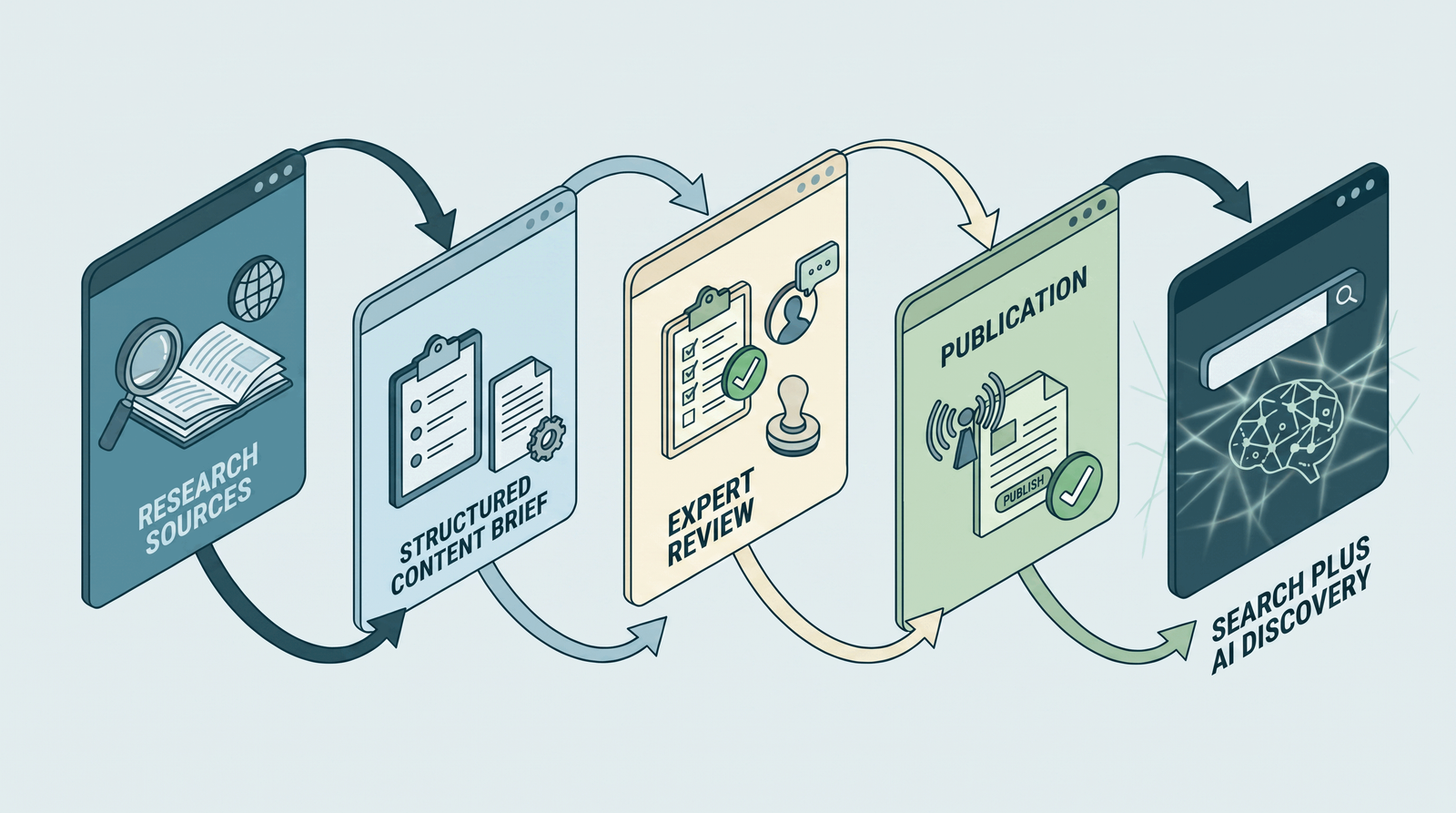
Your firm may have several AI tools but no reliable handoff between research, planning, drafting and approval. The practical starting point is not another prompt library: it is a repeatable weekly sequence with assigned owners and limits.
Discuss a 30-Day Marketing SprintWhat Could Improve for Your Firm?
Your firm may have several AI tools but no reliable handoff between research, planning, drafting and approval. The practical starting point is not another prompt library: it is a repeatable weekly sequence with assigned owners and limits.
What You Can Work Toward
A scoped engagement can help the firm pursue these practical objectives; specific outcomes depend on the agreed work.
- Create a reusable description of the firm’s services, audiences and voice
- Build a weekly brief and a structured drafting routine
- Separate AI preparation from editorial and partner approval
- Run and review one sample marketing week
What the Proposed Service Can Include
The following are candidate components for a tailored scope, not a claim that every account or integration supports every item.
- Marketing knowledge and approval inventory
- Weekly planning brief template
- AI-assisted drafting and brand review workflow
- A supervised marketing-week trial
- Handover notes and improvement backlog
Why a Supervised Approach Matters
A law-firm marketing system must explain the service accurately, respect jurisdiction-specific professional advertising rules and have identifiable human reviewers. The aim is a supervised business process, not unattended legal advice or automatic publication.
Make the Next Step Specific
Share the marketing process you want to improve and the software your team already uses. Discover the firm’s existing process, agree a manageable first use case, configure approved tools, test example outputs and record what should change. Exact scope, sessions and integration permissions are agreed during consultation.
Discuss a 30-Day Marketing SprintHow a First Engagement Would Work
Discover the firm’s existing process, agree a manageable first use case, configure approved tools, test example outputs and record what should change. Exact scope, sessions and integration permissions are agreed during consultation.
Is This the Right Fit?
Suitable for firms that can name a marketing owner, supply approved firm information and review outputs. Not suitable where the expectation is guaranteed enquiries or fully autonomous marketing with no lawyer oversight.
Technology and Legal Practice: An Overview
This overview provides general context. The evidence-linked guide below addresses the specific marketing use case and its limits.
Build a Working AI Marketing System for Your Law Firm in 30 Days: Research and Decision Guide
Author: Dr. Rahul Dev: PhD Data Scientist, Technology Law & Patent Attorney, and AI Educator with 20+ years advising global CEOs and CXOs on tech, business, and legal innovation. Author profile · Contact
Direct answer: Move beyond scattered prompts. Build a practical weekly marketing process around your firm, your clients and your review standards. The starting decision is whether your firm has verified facts, approved tools, designated reviewers and one manageable workflow. The appropriate implementation differs by firm and does not guarantee marketing results.
Research review: 5 November 2026. Product functionality and professional obligations may change; verify current primary sources.
What is a 30-day AI marketing sprint for a law firm?
A law-firm AI marketing sprint is a short implementation program organized around real marketing work, not a generic software demonstration. The team selects one repeatable weekly outcome: identify suitable topics, prepare a clear brief, draft useful material, check it for accuracy and brand fit, and approve it for a selected channel. The output is a documented operating routine that staff can run again. The 30-day format is a proposed project structure, not a promise that every firm’s integrations or marketing problems can be completed in that period. Complex approvals, historical content cleanup and custom software connections may fall outside the initial scope.
The firm should identify one responsible sponsor, one person who owns its marketing schedule and one designated reviewer of public claims. Without these roles, an AI-assisted process can increase drafts while leaving publication blocked.
Week one: create a trustworthy marketing knowledge base
Begin by collecting only information that the firm is entitled to use: confirmed practice areas, approved biographies, office locations, service descriptions, suitable audience profiles, writing style, current calls to action and existing editorial guidance. Distinguish the firm’s verified facts from opinions, future aspirations and unsupported statements about experience or outcomes. Use a simple source register so an editor can see who approved each item and when it was last checked.
A knowledge base does not eliminate factual mistakes. Names, professional titles, jurisdictions and descriptions of legal services should still be checked against current authorized source material. Client matters and privileged documents must not be imported simply to make the marketing examples feel more realistic. The ABA’s guidance emphasizes supervision and confidentiality obligations when lawyers use generative AI.
Week two: build a weekly planning and research routine
The planning stage converts scattered ideas into a small, reviewable brief. Start with a real marketing question such as which frequently misunderstood service should be explained this week. Record the intended reader, problem, jurisdiction, channel, evidence needed and proposed next action. The AI assistant can organize a first outline and identify open questions, while a human checks whether the topic is appropriate, already covered or potentially misleading.
For search-led topics, the team should examine its existing website and published resources before suggesting a fresh URL. A question may be better answered by expanding a strong existing page. Google’s people-first guidance asks whether content adds original value rather than merely repackaging existing material. A useful sprint therefore produces fewer, better-supported items rather than a large pile of repetitive posts.
Week three: prepare content and set brand review checkpoints
One assistant may draft a website explanation or LinkedIn post from an approved brief. A separate checklist should test whether the wording matches the firm’s actual service, introduces unsupported claims, uses unauthorized client details or describes legal outcomes too confidently. The reviewer also checks links, contact details, geographic references and whether the intended audience would understand the message without technical knowledge.
Do not assume one model’s confident approval is proof of accuracy. A second AI pass can catch inconsistencies but cannot replace source checking or professional oversight. The team should record what was changed during review, which claims required verification and which outputs were rejected. This review log becomes a practical training resource rather than a hidden part of the process.
Week four: run one real marketing cycle
Choose one modest week, such as preparing a practice-area explainer, a short professional post and an internal editorial brief. Carry each item from the approved idea through draft, review, revisions and the firm’s normal publication decision. If a content management system or scheduling tool is involved, confirm who has permission to use it and whether any automated step should remain disabled until signed off. This stage tests how people, tools and approvals cooperate under actual working conditions.
Record elapsed time, avoidable rework, content quality concerns and missing information, without claiming that one trial predicts future revenue. The most valuable outcome is an honest account of what worked, where approvals became slow and which part of the workflow deserves improvement next.
Which tasks should stay under human control?
A responsible firm should retain human control over statements about legal rights, professional experience, jurisdictions, service eligibility and advertising claims. AI-produced material should never be treated as legal advice to prospective clients or silently personalized from confidential matter records. Public claims require review by someone familiar with the firm’s professional obligations. Consent and privacy rules also matter when communication lists or enquiry histories are used.
The workflow should specify who can request a draft, who can see the source documents, who checks legal and factual claims, who approves distribution and who can stop the process. These controls are especially important where staff work across jurisdictions or multiple offices. The pilot can use fictional examples until an authorized production data-handling method is approved.
How to measure progress without making promises
A four-week learning program should measure its own process first: the share of briefs with documented source material, the number of items that reach review, corrections required before approval, time spent on repeat tasks and staff ability to follow the instructions without the trainer. These indicators show whether the system is becoming usable. Search impressions, enquiries and signed matters are longer-term outcomes influenced by many variables outside the sprint.
Use the firm’s existing reporting definitions and record a baseline. A marketing tool may show activity while actual client enquiries remain unchanged. A disciplined review distinguishes published output from qualified enquiry, and qualified enquiry from retained client. Do not promise rankings, AI citations, lead numbers or revenue because the system was configured.
Sprint compared with full personalized implementation
A guided sprint is appropriate when a team can take responsibility for its own system and values practice, templates and structured feedback. Personalized implementation is different: it places more configuration responsibility on the outside adviser and may include a tailored operating map, account-level settings, handover documentation and checks across the firm’s selected tools. The distinction should be made clear before the engagement begins.
Neither option automatically includes CRM integration, data migration, custom code or access to paid third-party systems. Those depend on the firm’s existing accounts, authorizations, technical limitations and separately agreed responsibilities. Firms requiring a bespoke setup may prefer the personalized implementation route.
Questions to answer before starting
A firm should identify its principal market, preferred marketing channels, decision-making roles, existing technology, brand material, monthly publication routine and any external marketing service providers. It should also decide which practice areas are appropriate for public educational content and which require specialist review. Establish an escalation route for anything that resembles advice on an individual matter.
The starting package can be small: two recent public articles, the approved website, three examples of acceptable messaging, a basic calendar and an explanation of the current approval process. The team does not need to upload its client database or confidential working files merely to describe its tone or services. A clear initial boundary makes the later testing both safer and easier.
A practical acceptance test at the end of the program
Ask a staff member who did not build the workflow to take an approved topic and produce a complete brief, draft and review record using the documented steps. The result should be understandable, traceable to source material and ready for the designated decision-maker to examine. Deliberately include one incorrect or unsupported claim in a fictional training example and check whether the review process catches it.
If a participant cannot reproduce the process, the project is not yet properly handed over. Record the missing instructions and assign ownership for maintaining the knowledge base, templates and controls. This acceptance test evaluates practical use, not marketing performance. It gives the firm a grounded basis for deciding whether to keep the system small or extend it later.
Primary Sources and Limitations
The following official sources support the general technical and professional statements above. They do not establish client-specific marketing results or product access.
Talk Through Your Firm’s Next Step
Explain the current task, approved software and preferred outcome without sharing confidential client information.
Discuss a 30-Day Marketing SprintAbout Dr. Rahul Dev
Dr. Rahul Dev is a PhD Data Scientist, Technology Law and Patent Attorney, AI Educator, and international business advisor with more than 20 years of professional experience. His work spans artificial intelligence, emerging technology, intellectual property, digital growth, technical research, and business strategy. He advises law firms, founders, CEOs, and CXOs on how technology, content, data, and legal systems influence authority, visibility, innovation, and commercial growth.
Explore his professional background, the research library, or contact options.