
Teach Paralegals to Use AI Carefully and Know When to Ask a Lawyer
Build practical habits for research support, document handling, source checking and escalation under appropriate supervision.
Save or follow this source
Add AdvocateRahulDev.com to Google Preferred Sources or open this page in your preferred AI tool.
- Recognize unreliable output and missing sources
- Protect sensitive matter information
- Use clear supervisor review and escalation rules
Talk Through Your AI Training for Paralegals Needs
Tell us which legal task needs attention, who reviews the work and what systems or restrictions apply. Define which tasks support staff may perform with AI, which outputs require qualified review and what issues must be escalated immediately.
Plan Paralegal AI TrainingWhy This Matters for Your Legal Team
Define which tasks support staff may perform with AI, which outputs require qualified review and what issues must be escalated immediately. A useful starting point is to define one real task, the authorized data, and the person responsible for reviewing the result. A credible decision depends on those facts rather than vendor marketing.
What a Practical Review Should Include
For paralegal teams, training leaders and supervising lawyers, the first review should identify the work, approved information sources, permissions, professional responsibilities and evidence needed for a decision. Map roles and permitted AI tasks. Teach confidential-data and source-checking rules. These are suggested planning activities, not a claim of a completed client engagement.
Plan the Checks Before You Change Your Workflow
Use a practical example, an accountable reviewer and a clear decision record to judge whether this approach fits your team. Define which tasks support staff may perform with AI, which outputs require qualified review and what issues must be escalated immediately.
Plan Paralegal AI TrainingLegal Technology and Professional Decision-Making
This approved overview provides broader context. The research below addresses the specific legal task, professional checks and limitations.
Detailed Research: AI Training for Paralegals
Define which tasks support staff may perform with AI, which outputs require qualified review and what issues must be escalated immediately. The following guide explains available evidence, design choices and limits. Read the relevant professional guidance for your jurisdiction, and confirm product access and safeguards in the actual configured environment.
Author: Dr. Rahul Dev: PhD Data Scientist, Technology Law & Patent Attorney, and AI Educator with 20+ years advising global CEOs and CXOs on tech, business, and legal innovation.
Paralegal role and permitted practice boundaries
Paralegal role and permitted practice boundaries is a material decision within responsible ai training for paralegals. The starting point is not a general AI capability claim, but the specific work that law firm leaders, learning managers, lawyers, paralegals or legal-ops builders as indicated by topic need to evaluate. Define who makes the decision, what material is in scope, which matter or workflow is affected, and what must remain under qualified professional control. A useful assessment records current practice before proposing a change.
For this question, the organizing test is: Staff scope, data protection and review pathways. Separate what is demonstrated in a supervised pilot from what is merely expected. Document the intended output, the person approving it, the primary records consulted, and the consequences of an unsupported result. A descriptive process diagram can help, but it must not conceal unresolved responsibilities or assumptions.
Implementation should account for variation across practices, confidentiality arrangements, client instructions and jurisdictions. A procedure suitable for internal non-client sample material may not be suitable for privileged documents or a live legal matter. The decision should therefore include a stop condition, an escalation contact and a means to return to the previous manual process.
Responsible document handling and confidentiality
To assess responsible document handling and confidentiality, begin with an evidence register rather than a vendor marketing description. List the underlying sources, dates, contractual commitments and technical controls that can actually be inspected. Record the provenance of documents and outputs, not just the names of AI products used. When a claim changes over time, update the underlying evidence before changing the recommendation.
A practical evaluation uses a representative sample of the intended work, alongside difficult exceptions and adverse cases. Define the correct result in advance, identify reviewers with relevant legal expertise, and retain examples where the system fails or produces an incomplete result. Qualitative review is necessary where apparent fluency conceals an incorrect citation, missed obligation or wrong jurisdiction.
The buyer should ask what evidence would change the proposed decision. If the organization cannot inspect output lineage, contractual restrictions or response to errors, a narrower use case may be more appropriate. Avoid treating a generic accuracy figure as a substitute for a task-specific test, or one supplier’s self-reported benchmark as an independent comparative finding.
Common AI mistakes and source verification
The practical implications of common ai mistakes and source verification depend on human oversight and the rights associated with the underlying material. Set permissions at the matter and role level; do not rely solely on a general confidentiality assertion. Distinguish input processing, retrieval, long-term storage and downstream sharing, because each step may create a different exposure or obligation.
Write the operating procedure around named decision points. A designated reviewer should inspect material outputs before they influence client advice, court filings, contractual obligations or irreversible systems actions. Keep a record of relevant sources, accepted exceptions and the version of any system or prompt used. Escalate uncertainty instead of turning it into an unqualified answer.
Finally, evaluate whether the proposed workflow contributes useful information or simply shifts work into another review queue. Account for training, recordkeeping, change control and continuing oversight. A sensible next step is a bounded assessment with a documented acceptance decision, not a promise of guaranteed search, productivity or commercial outcomes.
Escalation to supervising attorneys
Escalation to supervising attorneys is a material decision within responsible ai training for paralegals. The starting point is not a general AI capability claim, but the specific work that law firm leaders, learning managers, lawyers, paralegals or legal-ops builders as indicated by topic need to evaluate. Define who makes the decision, what material is in scope, which matter or workflow is affected, and what must remain under qualified professional control. A useful assessment records current practice before proposing a change.
For this question, the organizing test is: Staff scope, data protection and review pathways. Separate what is demonstrated in a supervised pilot from what is merely expected. Document the intended output, the person approving it, the primary records consulted, and the consequences of an unsupported result. A descriptive process diagram can help, but it must not conceal unresolved responsibilities or assumptions.
Implementation should account for variation across practices, confidentiality arrangements, client instructions and jurisdictions. A procedure suitable for internal non-client sample material may not be suitable for privileged documents or a live legal matter. The decision should therefore include a stop condition, an escalation contact and a means to return to the previous manual process.
Incident reporting and recordkeeping
To assess incident reporting and recordkeeping, begin with an evidence register rather than a vendor marketing description. List the underlying sources, dates, contractual commitments and technical controls that can actually be inspected. Record the provenance of documents and outputs, not just the names of AI products used. When a claim changes over time, update the underlying evidence before changing the recommendation.
A practical evaluation uses a representative sample of the intended work, alongside difficult exceptions and adverse cases. Define the correct result in advance, identify reviewers with relevant legal expertise, and retain examples where the system fails or produces an incomplete result. Qualitative review is necessary where apparent fluency conceals an incorrect citation, missed obligation or wrong jurisdiction.
The buyer should ask what evidence would change the proposed decision. If the organization cannot inspect output lineage, contractual restrictions or response to errors, a narrower use case may be more appropriate. Avoid treating a generic accuracy figure as a substitute for a task-specific test, or one supplier’s self-reported benchmark as an independent comparative finding.
Role-appropriate practical exercises
The practical implications of role-appropriate practical exercises depend on human oversight and the rights associated with the underlying material. Set permissions at the matter and role level; do not rely solely on a general confidentiality assertion. Distinguish input processing, retrieval, long-term storage and downstream sharing, because each step may create a different exposure or obligation.
Write the operating procedure around named decision points. A designated reviewer should inspect material outputs before they influence client advice, court filings, contractual obligations or irreversible systems actions. Keep a record of relevant sources, accepted exceptions and the version of any system or prompt used. Escalate uncertainty instead of turning it into an unqualified answer.
Finally, evaluate whether the proposed workflow contributes useful information or simply shifts work into another review queue. Account for training, recordkeeping, change control and continuing oversight. A sensible next step is a bounded assessment with a documented acceptance decision, not a promise of guaranteed search, productivity or commercial outcomes.
Staff enablement and refresher governance
Staff enablement and refresher governance is a material decision within responsible ai training for paralegals. The starting point is not a general AI capability claim, but the specific work that law firm leaders, learning managers, lawyers, paralegals or legal-ops builders as indicated by topic need to evaluate. Define who makes the decision, what material is in scope, which matter or workflow is affected, and what must remain under qualified professional control. A useful assessment records current practice before proposing a change.
For this question, the organizing test is: Staff scope, data protection and review pathways. Separate what is demonstrated in a supervised pilot from what is merely expected. Document the intended output, the person approving it, the primary records consulted, and the consequences of an unsupported result. A descriptive process diagram can help, but it must not conceal unresolved responsibilities or assumptions.
Implementation should account for variation across practices, confidentiality arrangements, client instructions and jurisdictions. A procedure suitable for internal non-client sample material may not be suitable for privileged documents or a live legal matter. The decision should therefore include a stop condition, an escalation contact and a means to return to the previous manual process.
Practical next-step decision
To assess practical next-step decision, begin with an evidence register rather than a vendor marketing description. List the underlying sources, dates, contractual commitments and technical controls that can actually be inspected. Record the provenance of documents and outputs, not just the names of AI products used. When a claim changes over time, update the underlying evidence before changing the recommendation.
A practical evaluation uses a representative sample of the intended work, alongside difficult exceptions and adverse cases. Define the correct result in advance, identify reviewers with relevant legal expertise, and retain examples where the system fails or produces an incomplete result. Qualitative review is necessary where apparent fluency conceals an incorrect citation, missed obligation or wrong jurisdiction.
The buyer should ask what evidence would change the proposed decision. If the organization cannot inspect output lineage, contractual restrictions or response to errors, a narrower use case may be more appropriate. Avoid treating a generic accuracy figure as a substitute for a task-specific test, or one supplier’s self-reported benchmark as an independent comparative finding.
Practical Decision Cases and Evaluation Checklist
The examples below are illustrative planning scenarios, not real client results. They use fictional or otherwise authorized inputs and require professional review. Each example tests a separate failure mode of ai training for paralegals and identifies a practical decision a legal team can document.
Summarizing a client interview
A paralegal is asked to prepare a neutral summary of an approved mock interview. The training should distinguish direct statements, inferences and missing facts and require a supervisor to confirm legal interpretations. Unapproved real client information should never be entered into a training system.
Decision to record: Who is permitted to perform this task, and what data are authorized?
Finding a legal source
A trainee receives an apparently authoritative statute citation from an assistant. They must locate the actual text, confirm the jurisdiction and effective date, and show the supervising lawyer the passage rather than treating a model-generated reference as verified.
Decision to record: Which error or missing source would cause the reviewer to reject the result?
Drafting a client-facing message
A draft email seems professional but implies legal advice on a contested issue. The paralegal should flag it for lawyer review and should not send advice or create an attorney-client promise outside the firm’s authorized procedures.
Decision to record: What approval or escalation is necessary before relying on the output?
Four-Part Evaluation Scorecard
Before testing tools or changing team procedures, write the acceptance criteria in advance. The following four dimensions are proposed evaluation measures rather than vendor performance claims. Each measurement requires a controlled sample, a named reviewer and a documented pass/fail decision.
| Test dimension | What would count as useful evidence? |
|---|---|
| Source checking | Trainee identifies unsupported or fabricated authorities |
| Boundary awareness | Escalation occurs when legal judgment is required |
| Privacy handling | Approved fictional data used appropriately |
| Supervisor trace | Reviewer and corrections recorded |
An Illustrative Five-Step Review Sequence
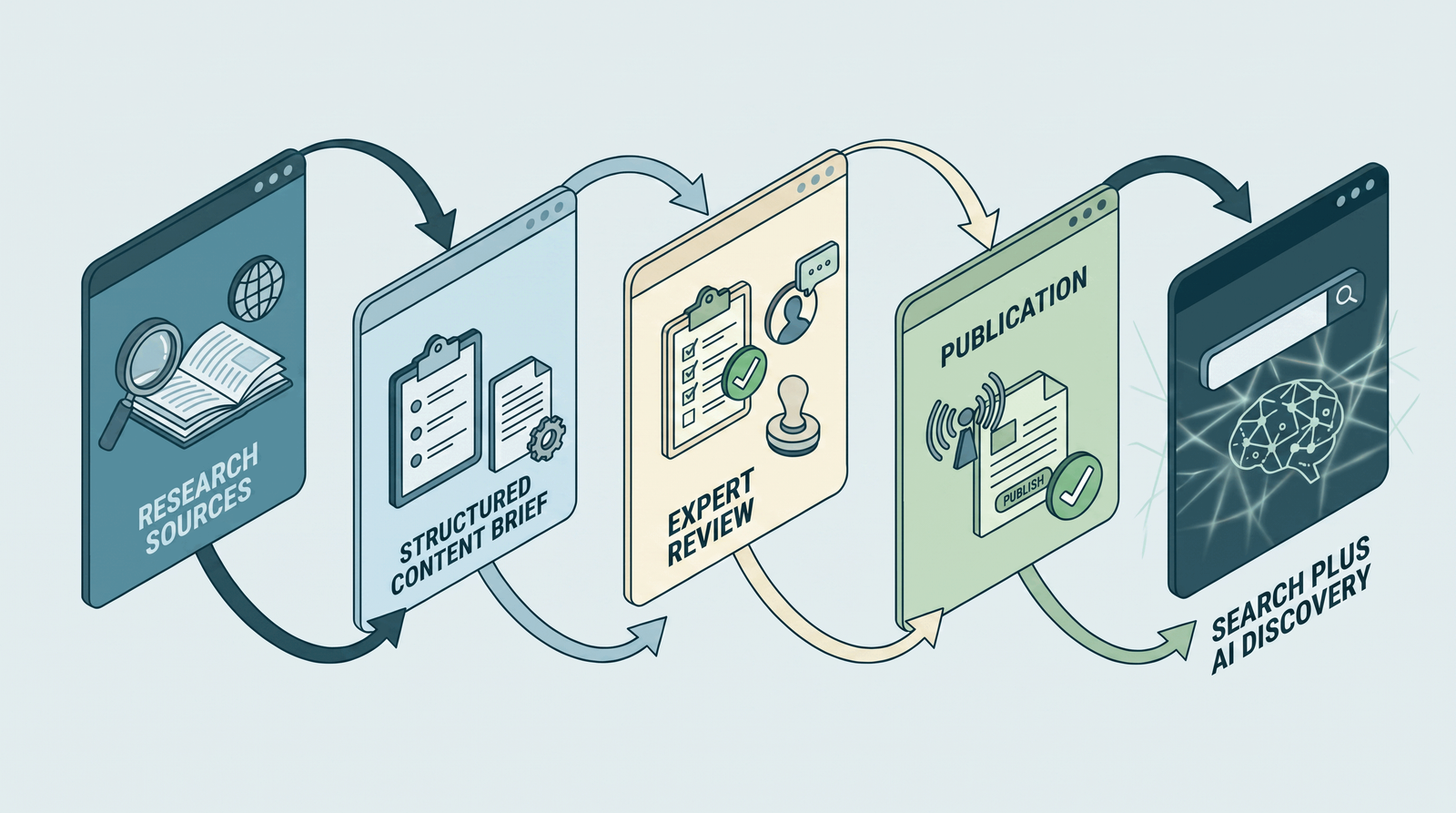
- Map roles and permitted AI tasks
- Teach confidential-data and source-checking rules
- Use fictional hands-on exercises with planted errors
- Require supervised feedback and escalation demonstrations
- Refresh training after tools or policy change
The person supervising the legal work should decide the acceptable residual risk and whether the workflow may proceed. Repeat testing after significant changes to models, prompts, connected sources or permissions. These steps are original recommendations drawn from the stated task requirements and risk-management principles, not a substitute for applicable professional rules.
Source context: American Bar Association, Formal Opinion 512 overview, 29 July 2024. U.S. professional obligations; jurisdiction-qualified. The examples and checklists above are proposed applications of these general principles, not prescribed universal legal requirements.
Decision checklist and limitations
- Define a task-specific problem and success condition
- Identify protected data, permission boundaries and records
- Choose representative normal and exceptional test cases
- Assign a qualified reviewer and escalation route
- Record evidence provenance and unresolved claims
- Establish an approval gate before broader use
- Reassess legal and operational changes after adoption
This framework is educational, not a substitute for jurisdiction-specific professional advice. No claim of vendor capability, confidential processing, legal accuracy or commercial return should be accepted without current evidence tied to the actual proposed configuration.
Current Primary Sources, Scope and Limitations
Evidence reviewed on 29 October 2026. Professional duties differ by jurisdiction. Vendor announcements show described functions, not independent tests. The cited sources inform the risk and evaluation framework; no particular tool, engagement outcome, benchmark score or regulatory approval is implied.
The following sources address general ethics, risk management and editorial evidence standards. They do not establish the capabilities of a particular legal AI provider.
- ABA Formal Opinion 512 (2024)
- NIST AI Risk Management Framework
- Google Search Central: helpful, reliable content
- American Bar Association, Formal Opinion 512 overview, 29 July 2024 — U.S. professional obligations; jurisdiction-qualified
- Law Society of England and Wales, Using Artificial Intelligence in Legal Practice, 21 October 2026 — Practical good-practice guidance; not binding law
- Solicitors Regulation Authority, Misuse of AI warning, 17 August 2026 — England and Wales regulated legal practice
- NIST AI RMF Generative AI Profile (AI 600-1), 26 July 2024 — Voluntary cross-sector risk-management guidance
Legal AI Planning and Professional Support
Explore these distinct advisory, training and evaluation decisions. Described service scopes require confirmation before engagement.
- AI Training for Law Firms — Firm-wide role-based staff development instead of a single Claude or ChatGPT product course.
- Legal AI and Workflow Education Programs — Institutional curriculum development, assessments and facilitator materials rather than one firm’s staff workshop.
Discuss a Practical Next Step
Share your current workflow, risk questions and target outcome to explore an appropriate evidence-led consultation. Define which tasks support staff may perform with AI, which outputs require qualified review and what issues must be escalated immediately.
Plan Paralegal AI Training