Capture High-Intent Searches
Create pages for injuries, locations and case types.

A criteria-led comparison of Supio alternatives covering product scope, security, procurement terms, integrations, implementation and professional verification.
Save or follow this source
Add AdvocateRahulDev.com to Google Preferred Sources or open this page in your preferred AI tool.
Need help connecting your Supio Alternatives for Personal Injury Legal AI evaluation to a broader legal-tech, client-service or growth decision? Share the workflow, constraints and outcome you want to improve.
Discuss Supio Alternatives for Personal Injury Legal AI with Dr. Rahul Dev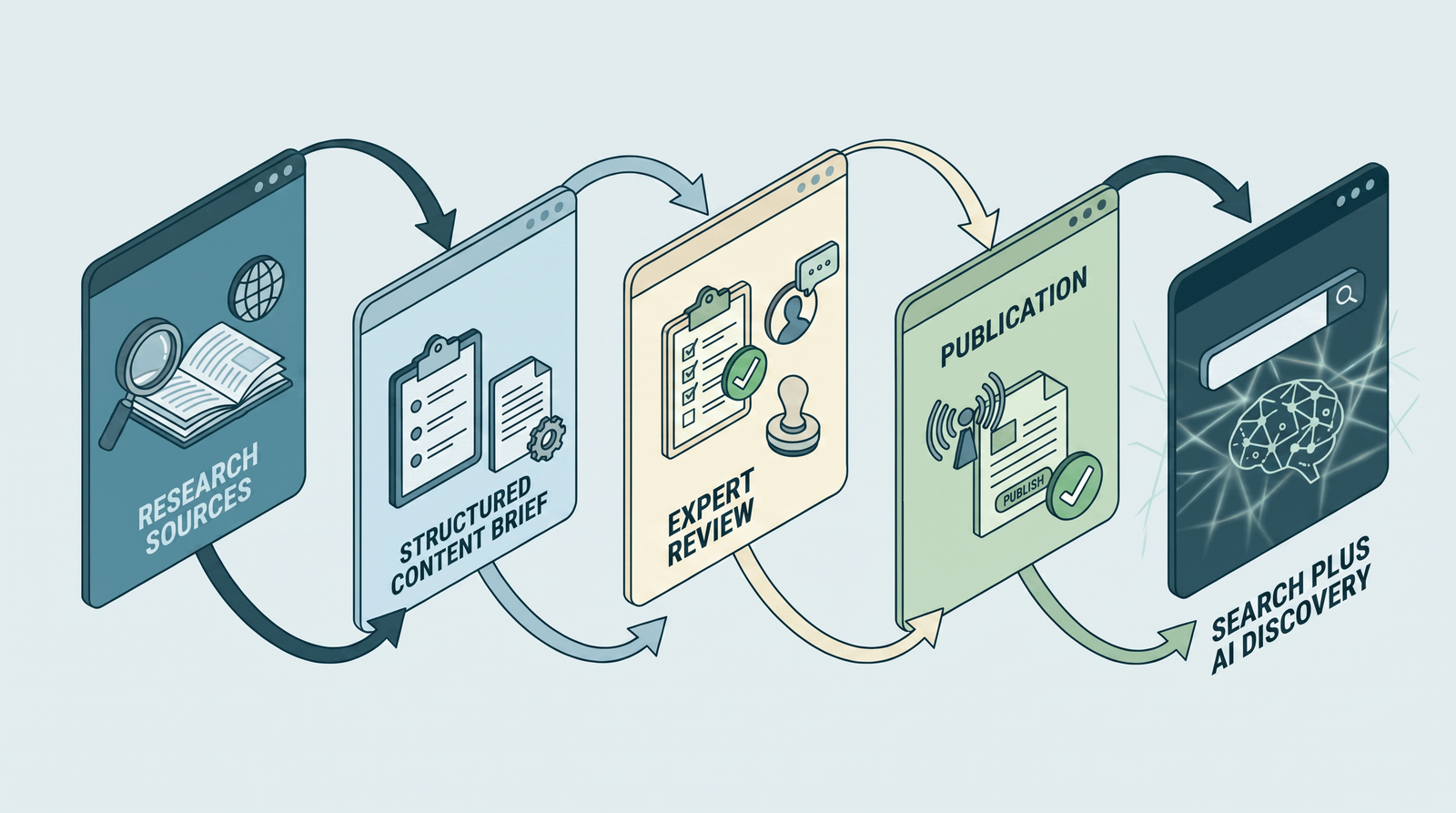
AI can improve medical-record and demand workflows, but growth still depends on whether prospective clients can find, trust and contact the firm.
Councl can help translate the firm’s technology and legal expertise into a modern website, stronger service positioning, faster performance, search visibility, AI-search readiness and a clearer client journey.
Create pages for injuries, locations and case types.
Make calls, bookings and enquiries simple.
Develop structured content and lawyer profiles.
Align website architecture with intake workflow.
Councl evaluates law firms through public signals connected to performance, reputation, experience and reliability.
Its services focus on identifying digital gaps and improving the website, search architecture, content, technical performance and client journey.
Need help connecting your Supio Alternatives for Personal Injury Legal AI evaluation to a broader legal-tech, client-service or growth decision? Share the workflow, constraints and outcome you want to improve.
Discuss Supio Alternatives for Personal Injury Legal AI with Dr. Rahul DevLegal AI procurement should sit within a wider plan covering service positioning, website experience, content authority, search visibility, AI discovery and client conversion.
This video provides additional context alongside the comparison and digital-growth guidance on this page.
Published and last updated: August 5, 2026
This page evaluates Supio alternatives using the incumbent platform’s current positioning, official vendor information, security and implementation considerations, and a use-case-specific shortlist. It does not identify a universal winner. Legal AI output must remain subject to qualified professional review.
Supio currently positions itself as legal AI for plaintiff and personal-injury firms, with an agent that works across case-management systems, document repositories and case data. Its integrations page lists connections with systems including Litify, SmartAdvocate, MyCase, CASEpeer and Smokeball, plus document systems such as OneDrive, SharePoint, Box and Google Drive. Supio also offers REST APIs and webhooks, so alternatives should be evaluated partly on connectivity and data-context depth.
Supio positions itself as an agentic AI platform for plaintiff and personal-injury firms, with intake, medical chronologies, demands, case economics, drafting, case intelligence, research connections and integrations across CMS and DMS systems.
Verification basis: Current product scope should be checked against Supio Security. Features, security controls, integrations, deployment terms and commercial terms can change, so procurement decisions should use current official documentation and contract terms rather than this comparison alone.
Supio’s current security materials state that it is SOC 2 Type II certified and maintains controls aligned with HIPAA, PHIPA and GDPR. The company also describes data-residency options in the United States, United Kingdom and Canada, and states that customer information does not train foundation models. Firms should verify the exact residency, retention, subprocessor and contractual commitments for their deployment.
Supio states SOC 2 Type II and controls for HIPAA, PHIPA and GDPR, continuous monitoring, regional data centers and no foundation-model training on customer data.
Best suited for: Medical records and case intelligence
Incumbent benchmark for chronologies, demands and case economics.
Best suited for: Whole-case plaintiff Legal AI
Broader across intake, research, drafting and litigation support.
Best suited for: Configurable litigation operations
Case-management platform rather than pure Legal AI.
Best suited for: Litigation case management
Broad PI workflow and integration alternative.
Best suited for: Turnkey PI case management
Focused PI workflow platform.
Best suited for: Plaintiff cloud case management
Purpose-built plaintiff-firm system.
Best suited for: PI case lifecycle management
Strong for medical, lien and settlement workflows.
| Use case | Candidate | Qualification |
|---|---|---|
| Medical records and case intelligence | Supio | Incumbent benchmark for chronologies, demands and case economics. |
| Whole-case plaintiff Legal AI | Eve Legal AI | Broader across intake, research, drafting and litigation support. |
| Configurable litigation operations | Filevine | Case-management platform rather than pure Legal AI. |
| Litigation case management | SmartAdvocate | Broad PI workflow and integration alternative. |
| Turnkey PI case management | CASEpeer | Focused PI workflow platform. |
| Plaintiff cloud case management | CloudLex | Purpose-built plaintiff-firm system. |
| PI case lifecycle management | Assembly Neos | Strong for medical, lien and settlement workflows. |
Supio is designed to connect to an existing system of record rather than necessarily replace it. Implementation therefore depends on case-management connectivity, document sources, API requirements, synchronization behavior and which outputs should write back into the firm’s core system. An alternative that requires duplicate uploads or manual re-entry may create a materially different operating model even if its AI features appear similar.
Plaintiff case intelligence, records and demand workflows; Eve is broader whole-case AI.
The best-fit Supio alternatives depend on the legal workflow, organisation size, jurisdiction, source requirements, integrations, security expectations, budget and implementation capacity. The shortlist should be evaluated by use case rather than by a universal ranking.
The answer depends on workflow fit, authoritative source coverage, security, integration, implementation and professional-verification requirements.
The best-fit Supio alternatives depend on the legal workflow, organisation size, jurisdiction, source requirements, integrations, security expectations, budget and implementation capacity. The shortlist should be evaluated by use case rather than by a universal ranking.
The answer depends on workflow fit, authoritative source coverage, security, integration, implementation and professional-verification requirements.
Review current certifications, encryption, retention, model-training terms, access controls, incident procedures, data residency, subprocessors and contractual protections.
Connect Legal AI adoption with website strategy, service positioning, technical performance, content architecture, AI-search visibility and intake optimisation.
Need help connecting your Supio Alternatives for Personal Injury Legal AI evaluation to a broader legal-tech, client-service or growth decision? Share the workflow, constraints and outcome you want to improve.
Discuss Supio Alternatives for Personal Injury Legal AI with Dr. Rahul Dev