
Use NotebookLM to Organize Legal Sources—and Verify the Answers
Learn how source-based AI notebooks can organize permitted material, show citations and support research without replacing primary legal authority.
Save or follow this source
Add AdvocateRahulDev.com to Google Preferred Sources or open this page in your preferred AI tool.
- Organize a bounded set of source documents
- Trace answers back to citations
- Identify what the notebook cannot establish
Would This Fit Your Legal Work?
Bring one specific workflow and the safeguards your team needs. The next conversation should identify what can be evaluated and what must remain under professional review.
Plan a Source-Checked Legal Research WorkflowWhat Could Work Better for Your Team?
Learn how source-based AI notebooks can organize permitted material, show citations and support research without replacing primary legal authority. This page focuses on Source-grounded legal-document research using NotebookLM/Gemini Notebook, not general Gemini prompts or legal search database subscriptions. It is an independent educational analysis and does not imply official provider affiliation or a completed implementation by the publisher.
How to Make a Careful First Decision
Choose a real task
Define one process, the decision owner, authorized source materials and expected result.
Check access and safeguards
Verify current product features, configuration, permissions and professional obligations.
Test and review
Use a bounded example, inspect the primary evidence and document unresolved concerns.
Plan a Small, Supervised Trial
Test with cleared examples, current product access and a named reviewer. Record which functions and permissions remain uncertain.
Plan a Source-Checked Legal Research WorkflowTechnology and Legal Practice: An Overview
The video introduces general technology considerations. The product-specific evidence and limitations are set out in the cited research below.
NotebookLM for Legal Research: Source-Grounded Notes and Verification: Independent Research Guide
Author: Dr. Rahul Dev: PhD Data Scientist, Technology Law & Patent Attorney, and AI Educator with 20+ years advising global CEOs and CXOs on tech, business, and legal innovation. Author profile · Contact
Research reviewed: 29 October 2026. Product and regulatory information must be rechecked before implementation.
Direct answer
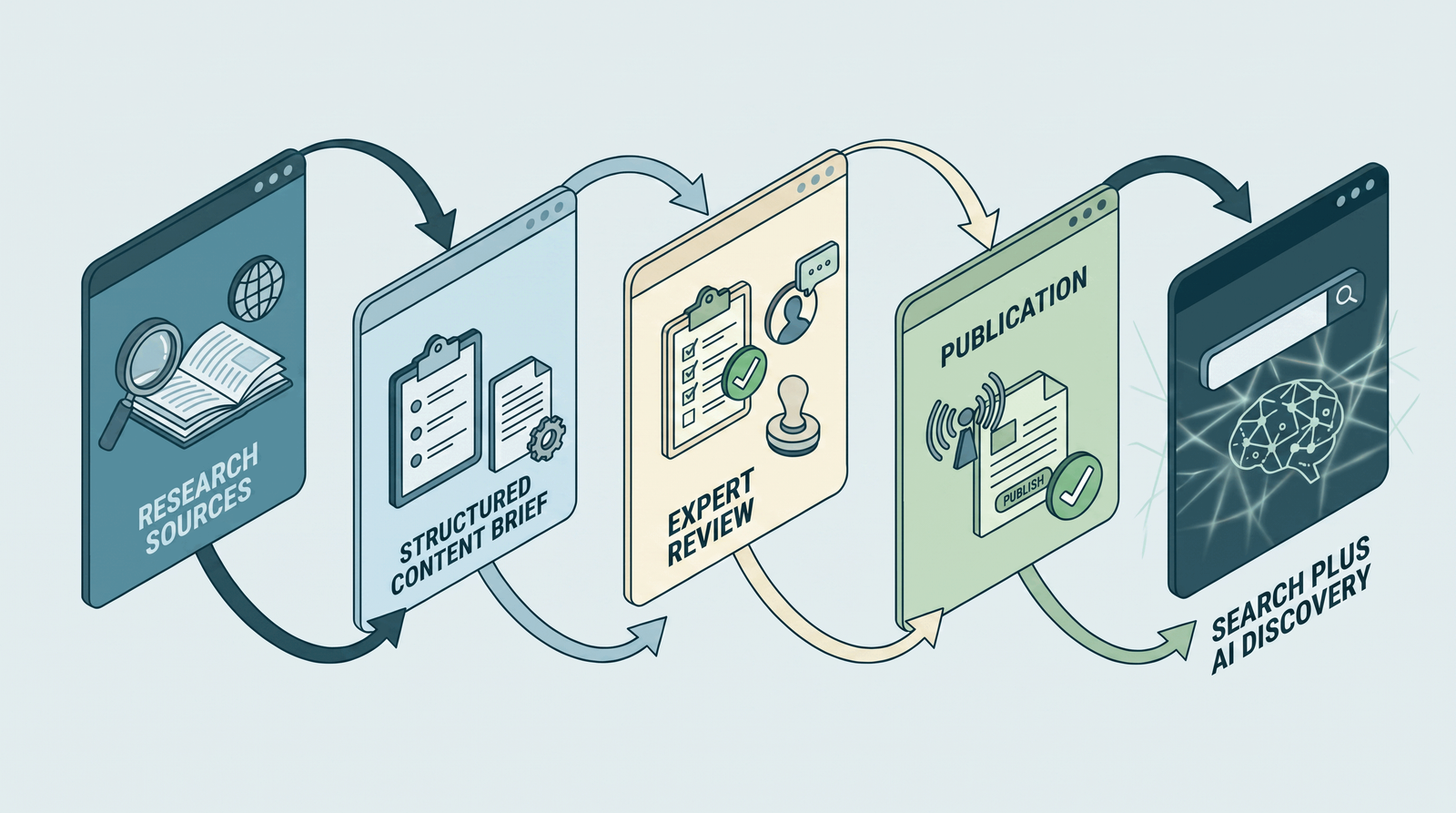
Start by defining the legal team's actual task, its approved source material, authorized users and required review. Verify product capabilities against official documentation and the firm's configuration. Use realistic tests that include missing evidence and confidentiality risks, then document the professional decision before relying on any result.
- Start with an authorized and bounded source set
- Clarify the current product name and interface
- Understand what source-grounded answers prove
- Distinguish primary legal sources from commentary
- Structure research questions for reliable review
- Handle confidential research with care
- Test citations, omissions and version conflicts
- Define what must be verified outside the notebook
- Separate NotebookLM from Gemini and enterprise legal products
- Make an auditable research memo
Start with an authorized and bounded source set
The quality of an AI notebook depends on what is placed into it. Define the legal research question, jurisdiction, date and the body of materials that may answer it. A source set might include public legislation, regulatory guidance, a publicly available judgment and a training memo; it should not casually mix client-confidential records with open examples. Record the title, issuing authority, date, version and permission basis for each source. Establish which documents are primary law, which are commentary and which merely express internal views. If an essential source is missing, the notebook is not a complete research environment. Use a source inventory and update record so that later users can distinguish a summary generated from an outdated set from a current legal conclusion.
Clarify the current product name and interface
Google now describes Gemini Notebook as the successor branding for NotebookLM in its Workspace product materials. Readers may continue to search for NotebookLM, so this guide uses that familiar term while acknowledging the provider's current name. Product availability, limits and organizational data protections can vary by account and edition. Verify whether the team is using the Workspace-integrated environment and what sharing or administrative controls are available. Do not assume that a public consumer notebook and a managed organizational notebook follow the same data and access arrangements. A research team should document the actual product version, source types and collaboration settings before inviting legal staff to use it with real materials. Relevant source: Google Workspace, Gemini Notebook (formerly NotebookLM).
Understand what source-grounded answers prove
Google describes notebook answers that rely on uploaded sources and include citations pointing to supporting text. That can make an answer easier to inspect than unsupported free-form generation, but it does not certify the law. A citation may correctly identify a sentence while the answer misunderstands an exception, misapplies a proposition to different facts or overlooks a more recent rule. Open the cited passage and read surrounding paragraphs. Ask whether the source has legal authority in the relevant jurisdiction and whether it was current at the material time. A source-grounded tool is helpful for locating and organizing evidence. It remains the researcher's responsibility to assess completeness, authority, relevance and legal effect. Relevant source: Google, Use chat in Gemini Notebook.
Distinguish primary legal sources from commentary
A decision memo might contain quotations from a court opinion, internal assumptions and an outside commentator's summary. Treating them as equivalent notebook sources can create misleading apparent support. Label primary legislation, judgments and official guidance distinctly. Where a commentary source paraphrases a judgment, follow its citation to the judgment itself and check the proposition. Record any contrary or qualifying authority. If the source materials come from several jurisdictions, do not combine their legal standards without explanation. A well-designed notebook asks what each source actually establishes, not which passage most conveniently supports an intended conclusion. Maintain a separate authority checklist for law that changes rapidly or is disputed. Relevant source: Google, Use chat in Gemini Notebook.
Structure research questions for reliable review
Begin with a factual retrieval request that can be checked against supplied documents: list the dates of relevant provisions, identify clauses containing a defined term, or summarize the stated issue in each judgment. Progress to comparisons and legal interpretation only after the materials are verified. Ask the notebook to show the precise source passage for each material assertion and to identify missing information. Use a separate record for propositions requiring independent legal judgment. Broad requests such as “tell me the best legal answer” obscure the evidentiary boundary. A source-led workflow should separate extract, classify, compare, verify and conclude. That structure supports professional review and reduces the chance that a fluent explanation is mistaken for established law.
Handle confidential research with care
Source notebooks may contain privileged advice, internal investigations or personal information. Google's Workspace materials describe provider privacy safeguards, but those statements do not by themselves establish permission for a particular firm to upload a specific client record. Confirm the relevant service terms, account type, administrator controls, sharing settings, retention behavior and applicable law. Use public or synthetic examples for early testing. Where confidential material is considered, obtain the firm's authorized approval and assess how notebook sharing could expose the contents to other users. A user who has access to a document in one system does not necessarily have permission to duplicate it into another. Record approval and provide a route for correcting access mistakes. Relevant source: Google Workspace, Gemini Notebook (formerly NotebookLM).
Test citations, omissions and version conflicts
Construct a test set containing two versions of a regulation, a judgment with an important limitation, a commentary note that misquotes the decision and a source that falls outside the legal question. Have a qualified researcher record the expected source locations and relevant caveats. Ask the notebook the same questions and compare whether it cites accurate passages, notices conflicting versions and says when the answer is unavailable. Document false assertions and omitted qualifications. Repeat after changing source selections. An apparent citation count is not a proxy for research quality; it is possible to cite multiple irrelevant passages confidently. Quality depends on whether the cited documents actually establish each proposition within the correct temporal and jurisdictional scope.
Define what must be verified outside the notebook
A notebook built on an uploaded bundle cannot establish that no additional relevant judgment, statute amendment or regulator update exists elsewhere. Where current legal research is required, use authorized databases, government sources and current court materials. Validate citation identifiers, court hierarchy, procedural status and subsequent treatment where relevant. Record the external verification date. A notebook may organize an internal case bundle or help an educator explain supplied materials, but it is not automatically an exhaustive search of the law. This distinction matters when an output is going to inform advice, a court submission or a regulatory position. The legal professional must decide whether the source set is sufficient and whether a specialist research tool is needed.
Separate NotebookLM from Gemini and enterprise legal products
NotebookLM or Gemini Notebook focuses on answering questions based on supplied sources. General Gemini assists with a broader range of tasks and may use different contexts depending on the product and settings. Gemini Enterprise for Legal is a distinct legal workflow offering connected to an enterprise platform and subject to access conditions. These are three different buyer decisions, even when all use Google technology. A law firm deciding how to organize public legal-source notes should start with this page; a firm planning broader operational adoption should use the Gemini operations guide; and one considering regulated enterprise legal agents needs the specialist product research. Naming distinctions prevent both false feature claims and unnecessary duplicate SEO pages. Relevant source: Google Cloud, Introducing Gemini Enterprise for Legal (25 August 2026).
Make an auditable research memo
A useful final artifact lists the research question, jurisdiction, relevant dates, source register, each proposition, exact primary citation, qualifications and the responsible reviewer. Preserve the notebook prompt and source selections as context, but do not treat them as the approved legal opinion. Include a clear list of unanswered questions and authorities that need updating. For sensitive matters, keep the memo inside the authorized records system. Review against applicable professional guidance on competence, confidentiality and court accuracy. The result should make the human researcher's reasoning reviewable and allow another professional to reproduce the evidence path. Any commercial promise should be limited to planning or supporting this process unless a specific delivery capability has been confirmed.
Illustrative Review Scenarios
These are hypothetical exercises, not verified vendor outcomes or client case studies.
Outdated regulation
A notebook cites a prior version of a rule. The reviewer checks the current official instrument before drawing a conclusion.
Misleading quotation
A commentary file quotes a judgment without its exception. The researcher opens the judgment and corrects the summary.
Missing jurisdiction
Sources mix US and UK law. The reviewer separates applicable authorities and flags the remaining gaps.
Choose the Guide That Matches Your Decision
| Decision | Related page | Why it differs |
|---|---|---|
| Individual lawyer use | /insights/gemini-for-lawyers/ | Personal task and document verification |
| Related work | /insights/gemini-for-law-firm-operations/ | Adjacent decision with different product or operating requirements |
| Tool discovery | /insights/legal-ai-tools-for-law-firms/ | Broader comparison and adoption questions |
These distinctions explain page purpose rather than implying performance superiority or vendor endorsement.
Frequently Asked Practical Questions
Can NotebookLM find every relevant legal case?
No. It primarily works with supplied sources and should not be assumed to conduct exhaustive legal research.
Are source citations sufficient to trust the answer?
No. Check the cited text, legal authority, timing and relevance independently.
Is Gemini Enterprise for Legal identical to NotebookLM?
No. They have distinct purposes, interfaces and access arrangements.
Sources, Scope and Limitations
The links below substantiate the provider's published feature descriptions and relevant professional duties. They do not establish availability in every account, compliance in a specific firm or the accuracy of model output. No rankings, search volumes, client results or affiliations are claimed.
- Google Workspace, Gemini Notebook (formerly NotebookLM) — Current product naming and features vary with account and edition; provider-stated privacy claims require contract review.
- Google, Use chat in Gemini Notebook — Source citations support review, but do not independently validate legal propositions.
- Google Cloud, Introducing Gemini Enterprise for Legal (25 August 2026) — Gemini Enterprise for Legal is not the same as general Gemini assistant; preview/access limitations apply.
- American Bar Association, Formal Opinion 512 (29 July 2024) — US professional guidance; obligations depend on relevant rules, facts and jurisdiction.
- Solicitors Regulation Authority, Misuse of AI warning (17 August 2026) — Applies to SRA-regulated firms and practitioners in England and Wales; distinguish from global law.
- NIST, AI RMF Generative AI Profile — Voluntary risk-management reference, not a mandatory global legal code.
Related Research and Next Steps
Follow the links that match your specific professional task, platform or governance decision.
Discuss Your Next Practical Step
Explain your team, jurisdiction, existing software and the relevant decision so that any assessment stays appropriately scoped.
Plan a Source-Checked Legal Research WorkflowAbout Dr. Rahul Dev
Dr. Rahul Dev is a PhD Data Scientist, Technology Law and Patent Attorney, AI Educator, and international business advisor with more than 20 years of professional experience. His work spans artificial intelligence, emerging technology, intellectual property, digital growth, technical research, and business strategy. Read the author profile.